
Explore More Academic Programs
- Anthropology
- Art
- Asian Studies
- Biology
- Chemistry & Biochemistry
- Chinese Program
- Classics
- Comparative Literature
- Department of Chinese, German, Italian, Japanese and Russian Studies
- Economics & Business
- Education
- English Department
- Environmental Studies and Science
- Feminist & Gender Studies
- Film and Media Studies
- French
- Geology
- German Studies
- History
- Human Biology and Kinesiology
- Italian Program
- Japanese Program
- Mathematics & Computer Science
- Molecular Biology
- Music
- Neuroscience
- Organismal Biology & Ecology
- Philosophy
- Physics
- Political Science
- Psychology
- Race, Ethnicity, and Migration Studies
- Religion
- Russian & Eurasian Studies
- Sociology
- Southwest Studies
- Spanish & Portuguese
- Theatre and Dance
Education Department
Education on the Block
ED101: Introduction to K-12 Classroom Culture
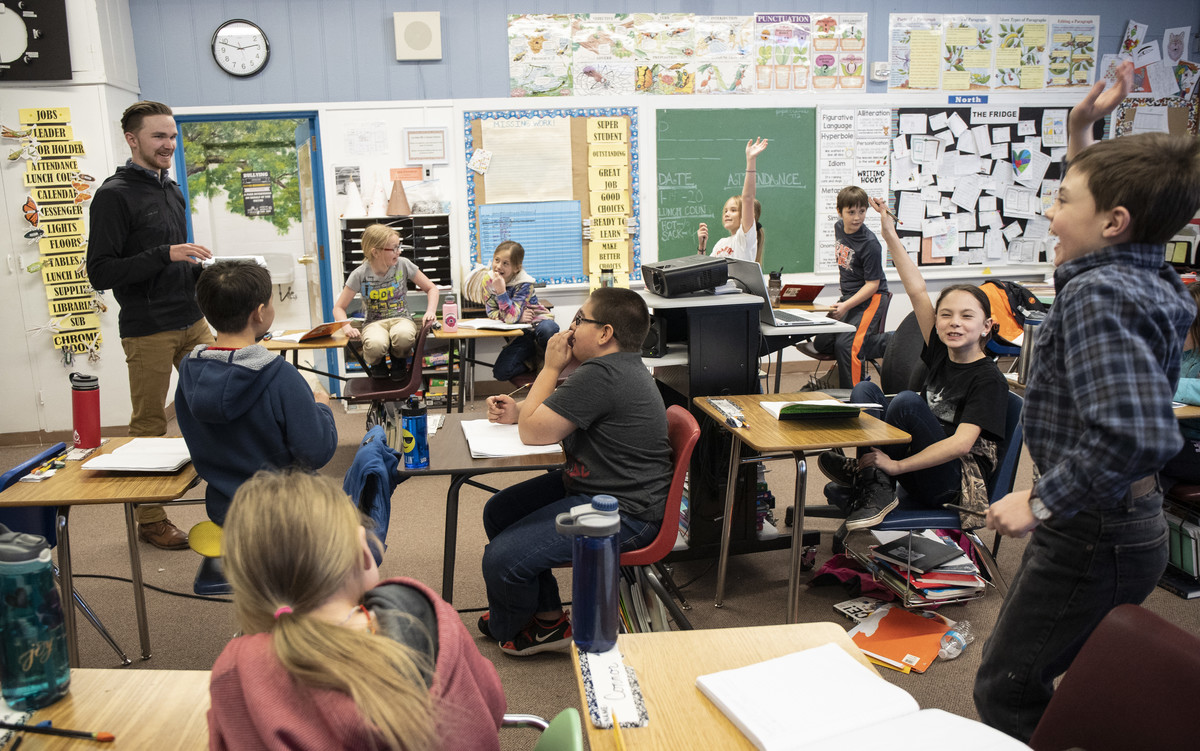
This course introduces students to the norms, values, routines, policies, and relationships that form the classroom culture in a public school setting. Students spend 6/18 class days rotating through local public schools. Each student gets to experience an elementary, middle, and high school classroom environment. Furthermore, students experience two different school districts to see how context informs classroom culture practices. Thanks to the unique experience afforded by the Block Plan, students are in the field from the start. This means, students are in the classrooms, meeting with teachers and observing and interacting with students, in the first week. Responsibilities vary according to the needs of the school, but emphasis is on individualized help to K-12 students. Coursework explores educational theories and learning environment design and compares and contrasts instructional strategies. In line with our institutional DEAI commitments, the course focuses on how K-12 educators establish an inclusive and equitable classroom environment.
Course professor Nickie Coomer says: While we are studying teaching practices, we are also studying the culture of the schools in which students are placed. What that means is that students are not only beginning to study the art and science of teaching and the importance (and joy) of working with kids, they’re also learning how to study culture: how to engage in field observations, engage in reflections, and how to attend to language that reflects some of the quantitative patterns we study about race and disability in our on-campus class sessions. This includes the over representation of students of color in exclusionary discipline and special education, and the exclusion of students with disabilities from general education classroom settings.

ED477: Culturally Sustaining Teaching and Disciplinary Literacy Methods
ED385: Developing Environmental and Sustainability Education Curriculum
This advanced course in curriculum, instruction, and assessment builds on foundational knowledge in environmental and sustainability education by focusing on the development and assessment of curriculum that builds environmental literacy through transdisciplinary environmental inquiry. Class discussion, lesson planning, and reflective teaching focus on developing a comprehensive framework that facilitates a broad approach for inquiring about environmental issues and detecting narrowness and bias in the arguments made by others concerning environmental challenges, issues, and problems. Teaching methods specific to environmental and outdoor education are emphasized through a practicum that spans the course. Students complete a course project portfolio that meets expectations for environmental education certification from the Colorado Alliance for Environmental Education
Master of Arts in Teaching Licensure Program
Featured Alumni
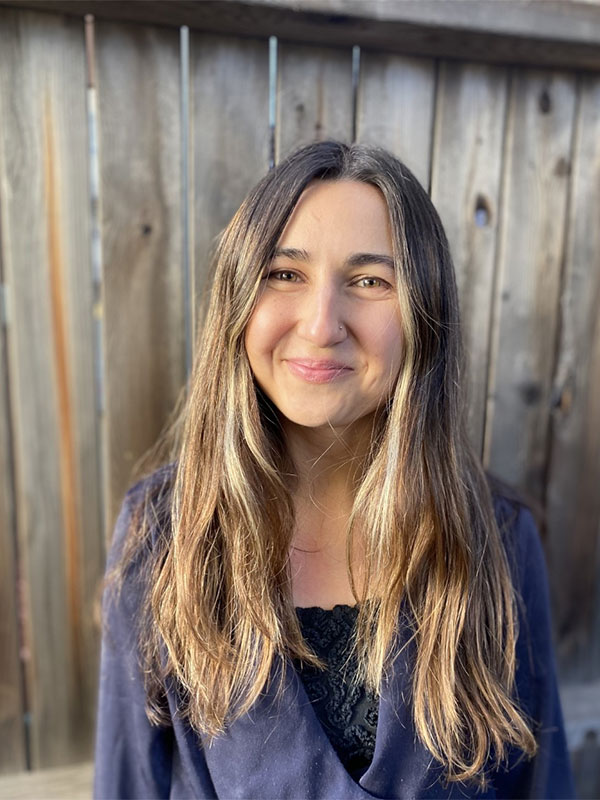
Olivia Martinez
Pronouns: she/her
Graduation year: BA 2020, MAT 2021
Hometown: San Francisco, CA
Currently living in: Basalt, Colorado
Current occupation: Youth & Community Engagement Manager at Anderson Ranch Arts Center
What was your experience at CC like as an Education major?
I loved the Education Department and being able to engage with many different teachers and students. I did the TREE Semester and interned at the Colorado Spring Fine Arts Center at CC as an Education Intern. Although these may seem like separate experiences, they created a project-based learning environment that taught me so much through experience!
READ MORE ABOUT OLIVIA
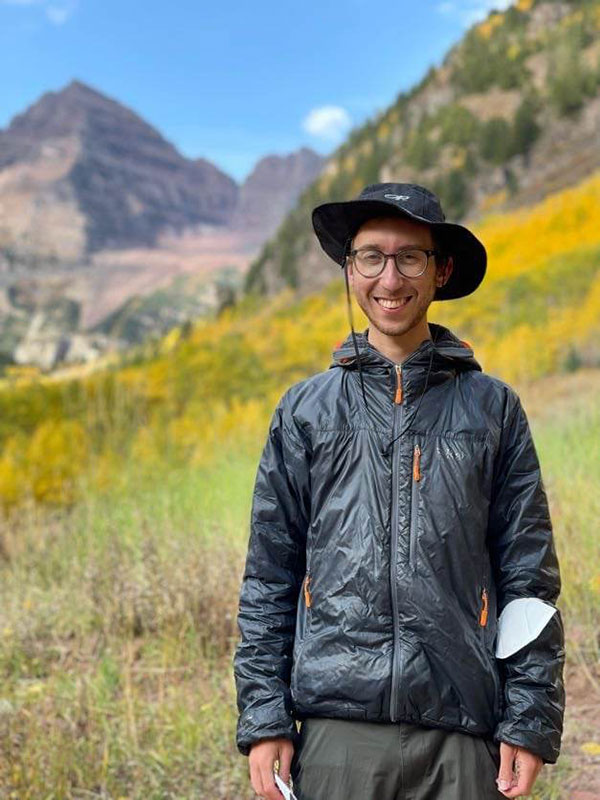
Connor Nolan
Pronouns: he/him
Graduation year: 2020
Hometown: Bellevue, WA
Currently living in: Denver, CO
Current occupation: Director of Education at the Catamount Center for Environmental Science and Education.
What was your experience at CC like as an Education minor?
I absolutely loved having the opportunity to minor in Education at CC. I was lucky enough to do the TREE semester the Fall of my sophomore year which exposed me to incredible, transformational, educational opportunities that opened me up to the world of teaching and helped me realize that’s what I wanted to pursue with my life and career. When I returned I found I had a passion for history through taking a few wonderful introductory blocks which translated perfectly to my new desire to pursue education. Across the board, every professor I had in both the history and education departments had a significant impact on me personally and professionally that helped me get to where I am today.
READ MORE ABOUT CONNOR
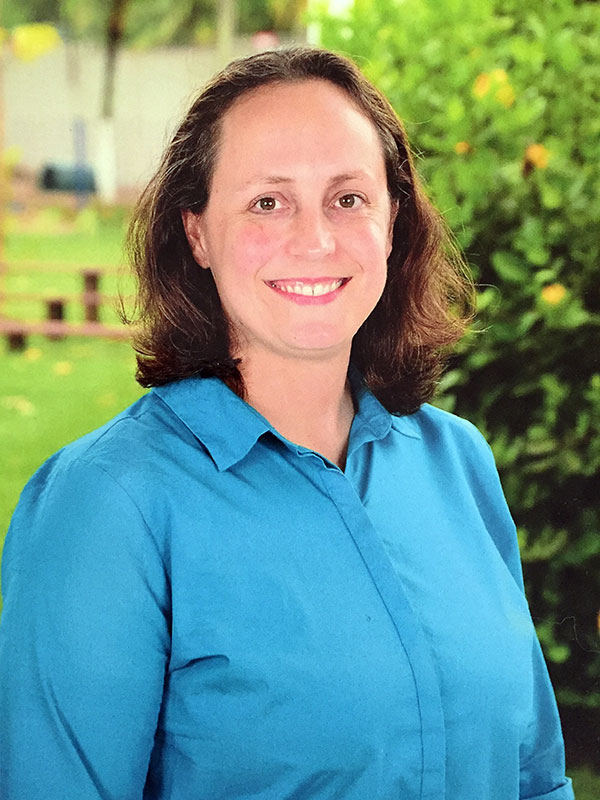
Cody Smith
Pronouns: she/her
Graduation year: 2005 BA in Psychology, 2006 MAT
Hometown: Ovid, Colorado
Currently living in: Bogotá, Colombia
Current occupation: 5th Grade Teacher
What was your experience at CC like in the MAT program?
During my undergraduate years at CC in which I majored in Psychology, I participated in the ED 100 classes which allowed me to get an idea of what working in Colorado Springs public schools was like. My time in the MAT program was challenging and fulfilling. Being a student teacher for the entire school year in an elementary school in District 20 allowed me to see the progression of learning in the classroom throughout the year. I was able to gradually gain more confidence and responsibility as the school year progressed and was able to become the lead teacher in the classroom in the second semester. I still remember some of the assignments I completed in the Master's program including the value drawings that we completed in Kris Stanec's Arts in Education class. The assignment challenged me as a student and allowed me to think about the perspective of my future students more deeply.
READ MORE ABOUT CODY
Explore Our Programs

Undergraduate Education Major
The education major is designed for the undergraduate to recognize education as a discipline whose presence is historical, social, political, and economical. Through social inquiry, critical analysis, and community engagement, education majors will examine the central position educational systems occupy in civic functioning. We offer concentrations in Environmental Education, Teaching and Learning, and Critical Social Foundations of Education.

Master of Arts in Teaching Licensure Program
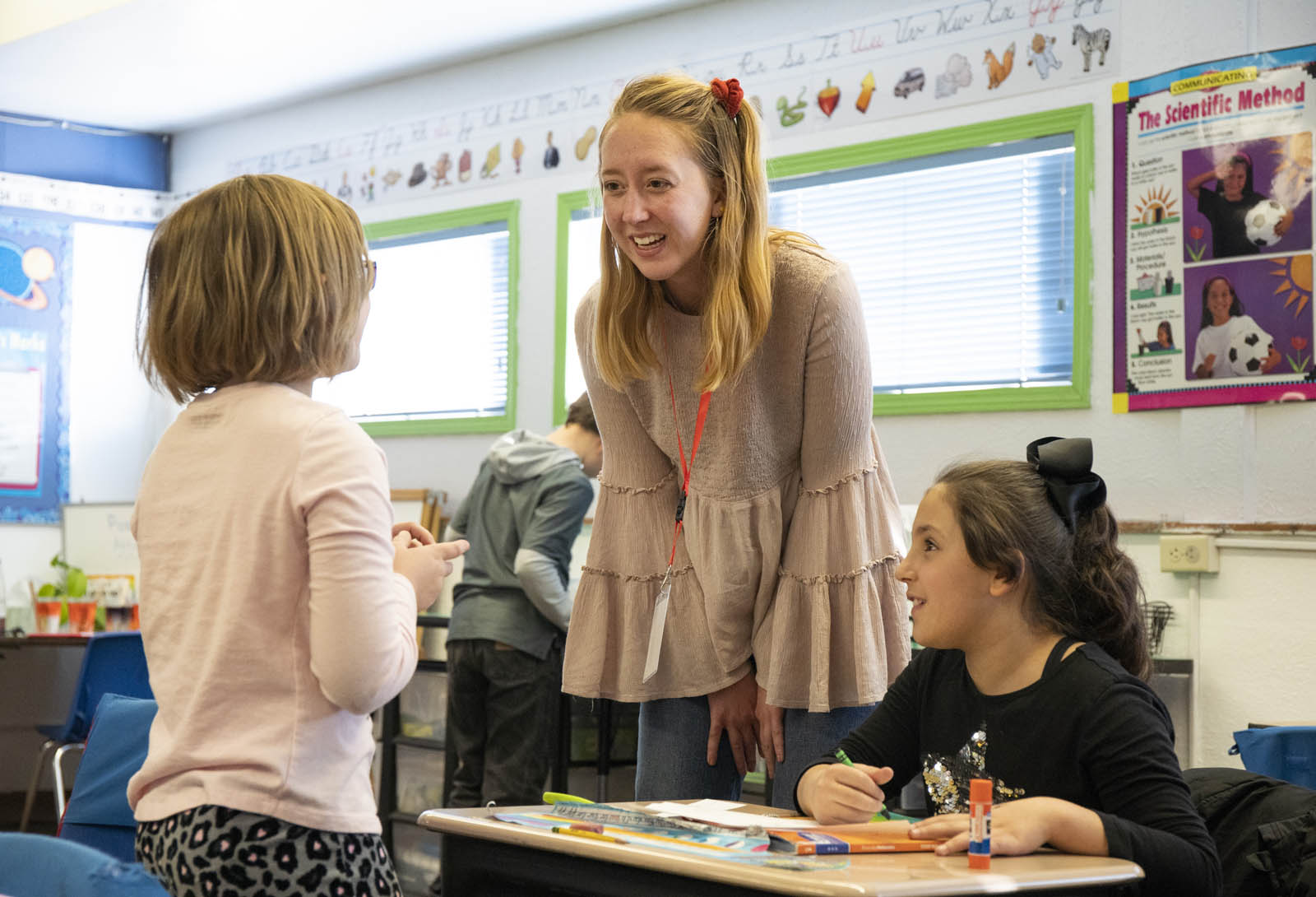
Colorado College's Master of Arts in Teaching (MAT) Licensure program is a true 5th-year program, during which former Colorado College undergraduates build from the foundational coursework and practicum experiences from their undergraduate career while completing student teaching, an internship, and a master's research project. 5 Years, 2 Degrees, and a Career! This graduate + initial licensure program is also available to candidates who completed their undergraduate degrees at other institutions and usually takes 18 months.

Learn more about the Master of Arts in Teaching Licensure Program!
MAT - Dyslexia Specialist
The Master of Arts in Teaching - Dyslexia Specialist degree is a graduate program administered by the Colorado College. This intensive two-year training program is for individuals seeking to learn the most effective, research-based strategies of reading instruction, including instruction for students with dyslexia and related disorders.
Learn more about the Master of Arts in Teaching - Dyslexia Specialist program!
TREE Semester
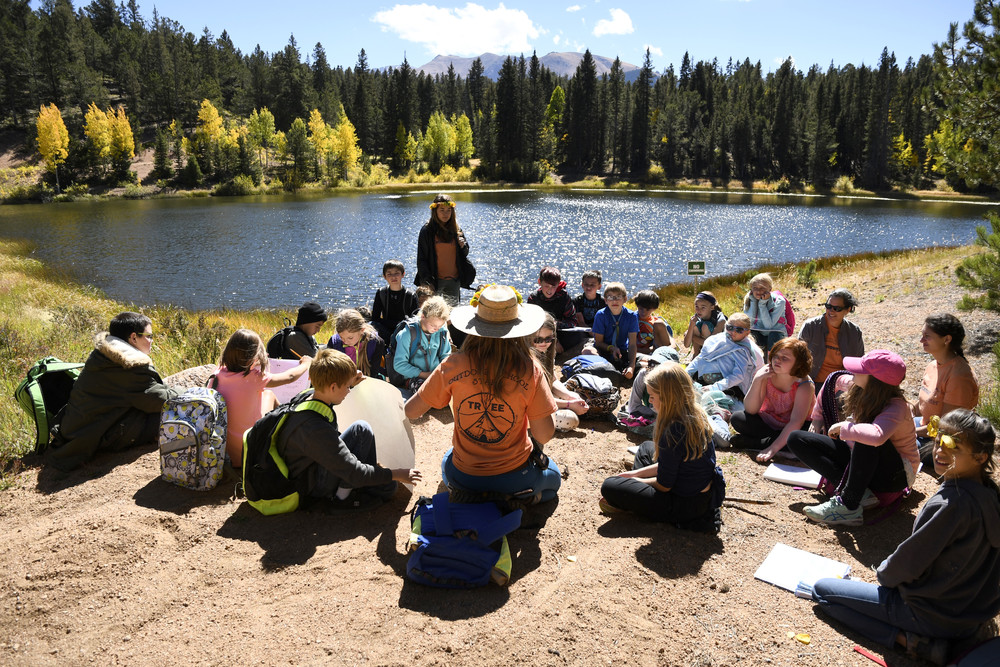
The Teaching and Research in Environmental Education (TREE) Semester is a 16-week, residential semester program that mirrors the traditional study abroad experience. Undergraduate students live and learn in community at the scenic Catamount Center in the montane forest outside Woodland Park, Colorado. The TREE Semester is for students of all academic interests, but is specifically designed for those interested in exploring both environmental and educational fields.

These scholars will cultivate their own and their K-12 students' conceptions of environmental stewardship and respect for the natural world. Where traditional programs provide only limited teaching opportunities, the TREE Semester allows undergraduates to learn about their students' development through almost 100 hours of experiential teaching. Undergraduate students will learn by simultaneously teaching and researching how K-12 students develop. Our educational research informs our teaching and our teaching informs our research in a cycle of virtuous learning.
Collaboration. Solidarity. Creativity. Liberation.
CC’s Education Department pursues just and equitable education in local communities and beyond. Through teaching, scholarship, and service, we create spaces that cultivate the relationship between learning and liberation. In solidarity with those marginalized by oppressive systems, we cultivate partnerships with local, national, and global stakeholders to foster transformative learning opportunities.
Contact Us
Una Ng-Brasch
Academic Administrative Assistant
ung@coloradocollege.edu
(719) 389-6146
Street Address:
Mierow House
1107 N. Cascade Ave.
Colorado Springs, CO, 80903
Address & Map