Theatre
Welcome to CC’s Theatre Program!
We’re so glad you found us, and we’re excited that you’re imagining making theatre at CC.
Students in our program are passionate theatre-makers and collaborative problem-solvers who engage deeply with the critical issues of our society. Our training is rigorous without being competitive: we believe students do their best artistic work when they are challenged, supported, and encouraged to take risks together.
Guided by accomplished, approachable faculty who are also working theatre professionals, you’ll receive personalized attention as you explore theatre from many angles: creatively, historically, theoretically, and professionally. Our curriculum includes acting, directing, design, playwriting, and performance studies, enriched by visiting artists, guest lecturers and performers, workshops, and special course offerings.
No audition is required to major or minor in Theatre. Whether you arrive at CC with years of experience or are discovering theatre for the first time, you’ll find opportunities to make meaningful work. Students participate in faculty- and student-led Mainstage and Second Stage productions, as well as readings, workshops, performances, and cultural events throughout the year. As they move through the program, students increasingly shape their own artistic paths, culminating in individualized senior theses.
“The theater itself is not revolutionary: it is a rehearsal for the revolution. ”
—Augusto Boal
We believe theatre is a way of asking questions, building community, and imagining what might be possible. That community extends beyond the classroom and rehearsal room: we gather for performances, events, and celebrations. We want students to challenge themselves, make ambitious art, and find joy and belonging in creating work together.
Our location connects students directly to the vibrant arts community of Colorado Springs. The Colorado Springs Fine Arts Center at Colorado College is right on our campus, providing opportunities to engage with professional artists through productions, workshops, classes, and mentorship. Our majors and minors also regularly attend professional productions as part of their coursework, placing their education in conversation with contemporary American theatre.
We bring working professionals into our program as guest directors, designers, performers, lecturers, teachers, and mentors, and many of our own faculty continue active professional practices alongside their teaching. These exchanges allow students to build relationships within the field, encounter different artistic practices, and begin developing a professional life while they are still at CC.
At CC Theatre, you don’t have to choose between serious training, adventurous theatre-making, and a supportive artistic community. We believe each of these elements contributes to the others, building a strong program and cultivating theatre students who are courageous, inventive, and collaborative.
What our Theatre Professors are up to:
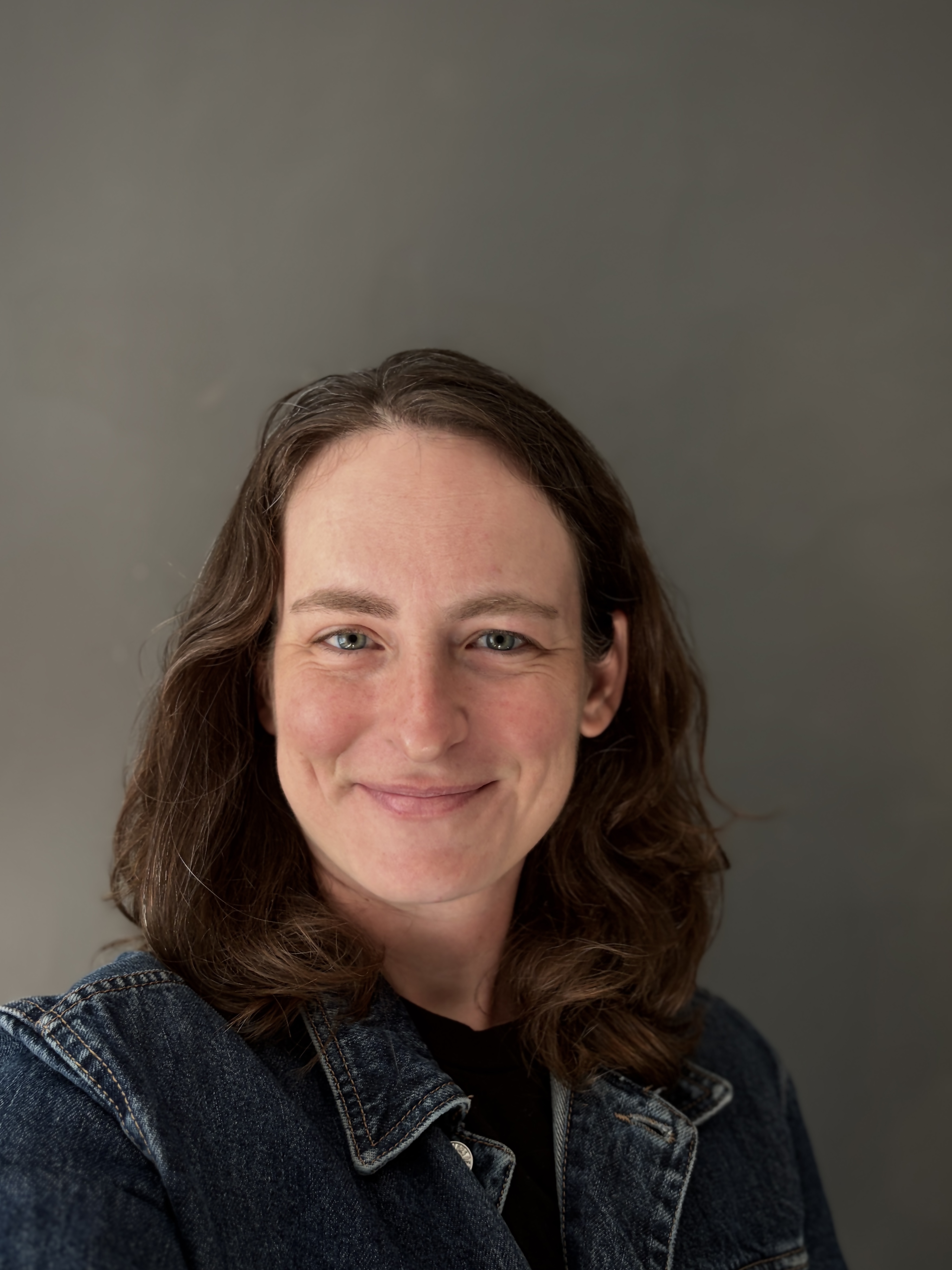
Assistant Professor Sam Collier has been commissioned by the University of Colorado Boulder to devise a new play for the university’s 150th anniversary, in collaboration with CU Boulder students and through a partnership with Tectonic Theatre Project.
- A Wild West classic. Honoring the original while cracking it wide open, Karen Zacarias’ storytelling is a living, breathing world of the American frontier as told by voices too often left out of the legend. The play unfolds in the vast Wyoming prairies, where families fighting for their land are pushed to the breaking point by forces determined to drive them out. Shane reminds us that true heroism isn’t always about the fastest draw—it’s about doing the right thing when it counts.
HOW TO GET INVOLVED
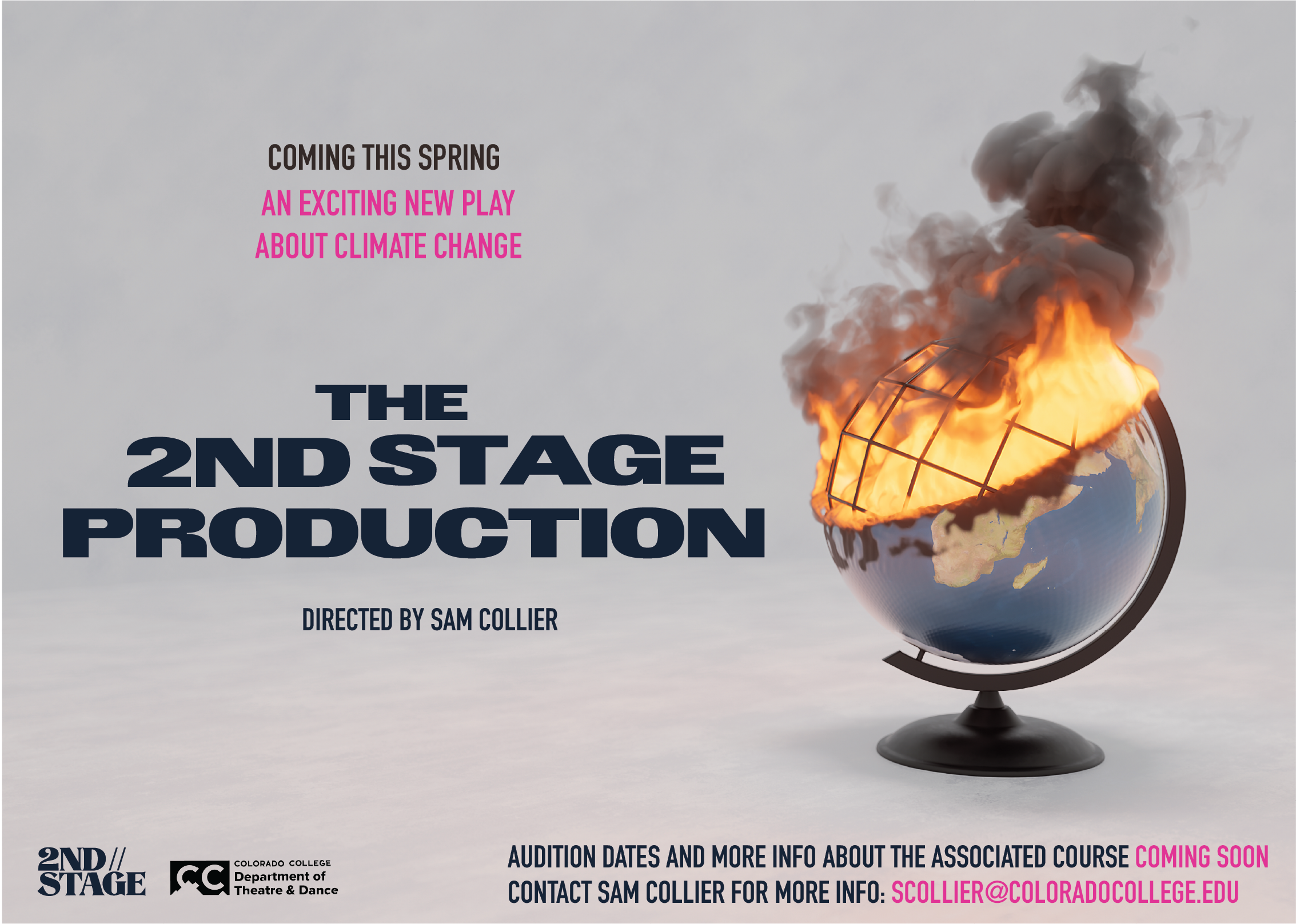
You do not need to be a Theatre major or minor to audition! The department typically presents a mainstage production and a Second Stage production, with one offered in the fall and one in the spring. Explore our website for upcoming productions and audition announcements, or contact the Department of Theatre & Dance for more information.
You don’t have to be an actor to help bring a production to life! Students get involved in many ways, from shaping the look and sound of a show to building scenery, creating props, and helping rehearsals and performances run smoothly.
Explore lighting, sound, and other areas of theatrical design, or work alongside our technical staff in the scene shop. Stage management and assistant stage management offer opportunities to help coordinate rehearsals and backstage activity, while assistant directing and producing offer ways to support the creative and organizational work behind a show. Students can also take on props responsibilities or join a technical or production crew.
Visit our design program website to learn more about theatrical design, or contact the Department of Theatre & Dance to ask about current opportunities.
Step into a character, write a scene, or find your comedic voice. Explore the craft of performance in Fundamentals of Acting, bring your ideas to the page in Playwriting, or experiment with stand-up, improv, and more in Jokes, Skits, Pranks: New Comedy in Live Performance. You can also explore how theatre challenges ideas, tells stories, and inspires social change.
Whether you’re curious about performing, creating, or understanding theatre in a new way, there’s plenty to explore. Browse the courses below to find what interests you!
Offerings include Fundamentals of Acting, Playwriting, Student Theatre Think Tank, Feminist & Queer Performance, Theatre and Social Justice, Directing, Jokes, Skits, Pranks: New Comedy in Live Performance, and Classical Acting.
Make room for a little more creativity alongside your block class! Adjuncts are courses you can take in addition to your regular block class, typically meeting in the afternoons or evenings. Course length and weekly meeting schedules vary, so check the individual listing for details.
Explore offerings such as Voice and Speech for Actors, Stand-Up Comedy, Improv Comedy, Think Tank (a play reading group), Backstage Management, and Movement for the Performer. An adjunct is a great way to try something new or keep developing a skill throughout the semester.
There’s more to explore beyond the classroom and the stage! Connect with guest artists, try a new technique in a workshop or masterclass, experience a play through a staged reading, or join a conversation about performance, culture, and community.
Past programming has included an event focused on Missing and Murdered Indigenous Women (MMIW), an example of how theatre can bring people together around important social issues. Guest lectures, cultural events, readings, and other gatherings offer opportunities to encounter new perspectives and take part in the creative life of the department.
Explore the rest of our website for upcoming opportunities.
Take your interest in theatre further by declaring a major or minor! Reach out to a theatre faculty member or our department chair, Ryan Platt, to discuss your interests, explore your options, and plan your next steps.
Review our Theatre Major and Theatre Minor requirement flyers to see what each path includes. When you’re ready to declare, complete the Major or Minor declaration form.
show all / hide all
Coming Soon!