
Anthropology
Archaeology
Archaeology is one of the four integrated sub-disciplines of anthropology and is the scientific study of the ancient and recent human past through the material traces of past human activity. Students in every archaeologically-focused course engage in hands-on learning at places where people lived. Research questions include: who lived here, when did they live here, and what can we learn about the lived experiences of people at this place? Students learn about archaeology by doing the work of professional archaeologists. Sites are surveyed, documented, interpreted. Documentary records (e.g., archives, geneaologies) and oral histories are investigated. Students create new knowledge of the past and share this knowledge with public land managers (e.g., the US Forest Service) and the public. Courses themes are time, space, patterns, and telling untold stories.
Students can also learn about dendroclimatology - the study of past climates, especially precipitation (before weather station records), derived from tree-rings. In the course "Trees, Climate, and People" students extract tree cores, measure rings widths, and retrodict past annual rainfall levels hundreds of years into the past. Our dendroclimate lab is within the archaeology lab. With an anthropological approach, research questions are focused on the relationship between climate extremes and human behavior.
Skills
Through archaeological course and fieldwork, students learn and practice lifelong skills applicable to many types of work and careers. These skills include the ability to:
- evaluate the strengths and weaknesses of evidence
- write clearly and precisely
- design and implement field-based research (e.g., cultural resource surveys)
- spatially map archaeological sites
- observe and describe characteristics and interrelationships between environmental and social systems
- critically evaluate narratives of the past
- work effectively in an interdisciplinary team
Beyond CC
Archaeologists work in many different settings, from private consulting companies (cultural resource management) to museums to governmental agencies. An undergraduate degree in Anthropology, with coursework in archaeology, will qualify you for employment as an entry-level archaeologist. Job prospects in archaeology are excellent, according to a recent study.
Students conduct original research for their Senior capstone projects under the guidance of an Anthropology faculty member. Some recent capstone projects and publications with archaeological anthropology content:
The Crestone Structures: An Archaeological Exploration of Stone Creations in the San Luis Valley [Published in Southwestern Lore].
Archaeologists-Private Collector Collaborations: A Student Perspective [Published as Sharing Collections and Sharing Stories: The Importance of Archaeological Ethnography in Archaeologist-Collector Collaborations in Advances in Archaeological Practice, a peer-reviewed journal].
Tangled Transmissions: The Differentiation of Historic Telegraph and Telephone Lines Through the Analysis of Material Culture. [Published in Reviews in Colorado Archaeology, a peer-reviewed journal]
Deep-Mapping the Resource Frontiers on La Sierra
The Romance and Reality of Acequia Farming An Ethnographic Documentation of a Traditionally Drought Resilient Irrigation System in San Luis, CO
The Dead Man's Cave Gulch Box: Strategies for Historic Caches
Historic Dendroarchaeology: The Cabins of the Manitou Experimental Forest, Woodland Park, Colorado
Culturally Modified Trees and Human-Forest Interactions in the San Luis Valley, Colorado: A Dendrochronological Approach
Ethnography of A Southern Colorado Female Cattle Rancher: Insights Into Sustainable Land Management, Gender Equality, and Conservation Easement Designations
Complexities and Challenges of Honduran Archaeology
The Slate Pencil: A Case for Behavioral Theory and the Life History Model in Historical Archaeology
A field school provides students with 2 to 6 weeks of hands on experience doing archaeology. Here are some useful resources to find a field school to explore your interests and develop new skills.
Archaeological institute of America
archaeologyfieldwork.com (includes job listings)
American Anthropological Association (includes field schools in other subfield besides archaeology)
National Association for the Practice of Anthropology
Geological Sciences of America field experience
Volunteer for an archaeological field experience (no cost!)
Paleocultural Research Group (Colorado)
Passport in Time
HistoriCorps
See the Finney Field School Fund to apply for financial support from CC's Anthropology Department to attend a field school.
show all / hide all
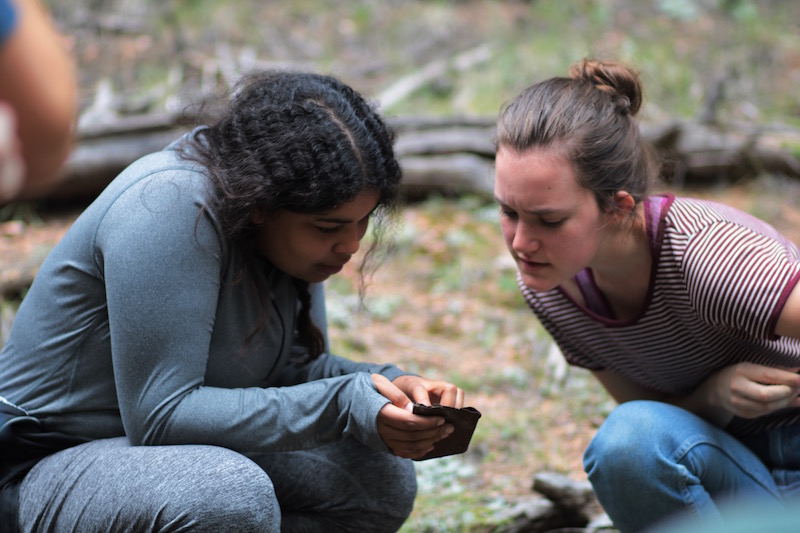
Our Historic Archaeology courses conduct research in the Manitou Experimental Forest. Students learn to identify historic artifacts and their associated dates.
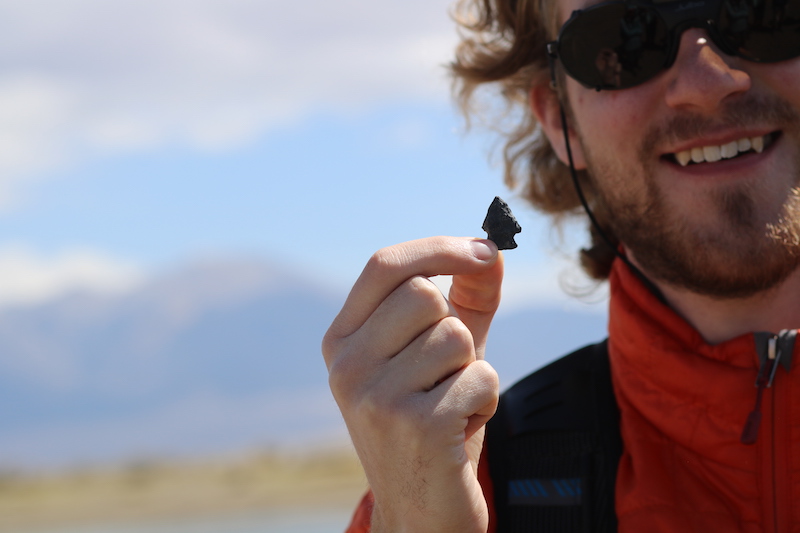
In AN320 Field Archaeology, students conduct cultural resource surveys for the US Forest Service. Artifacts are mapped and photographed (not collected!) to document the past.
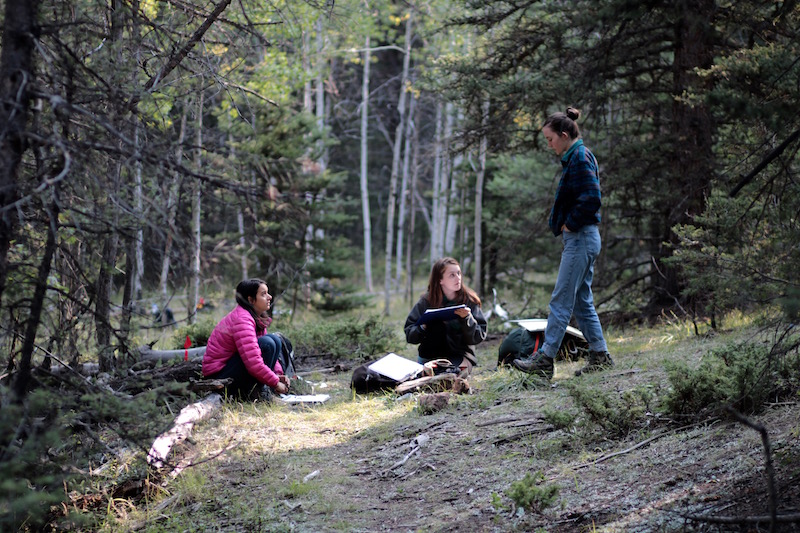
Our students gain first-hand experience with professional standards of documentation. Reports and forms completed by students are often submitted to the Forest Service as part of the course.
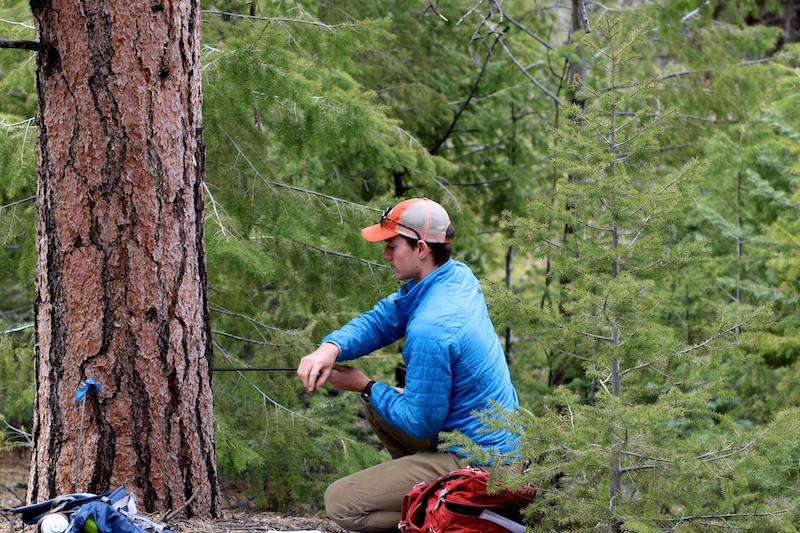
An anthropology major taking a tree core sample for dendrochronological analysis (tree-ring dating).
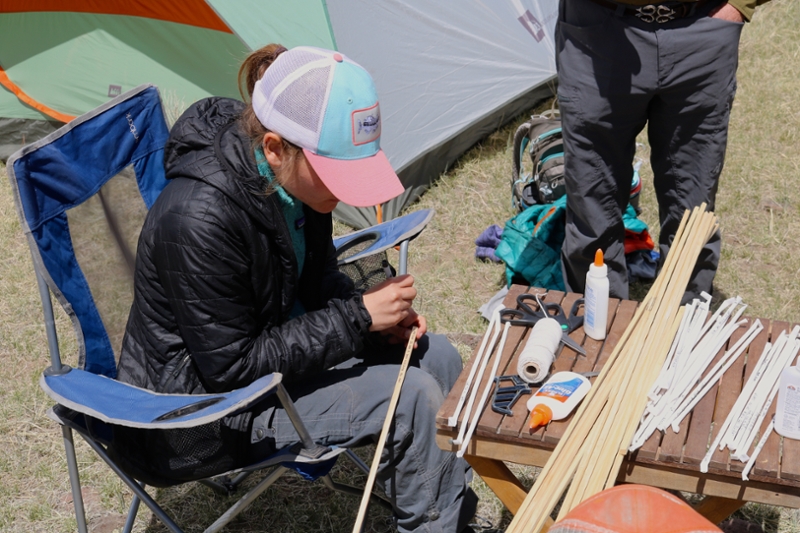
Tree cores are prepped for later work in the archaeology lab on campus.
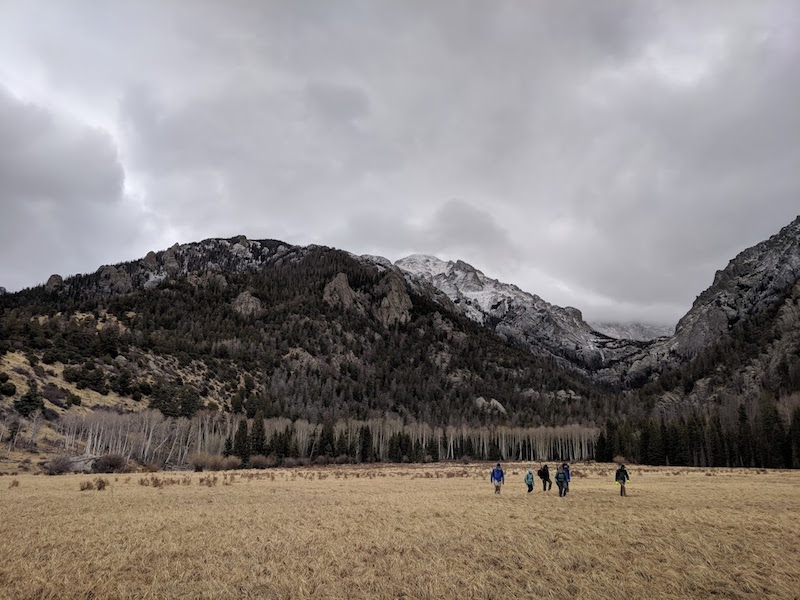
AN320 Field Archaeology allows students to get first-hand experience with surveying and documenting archaeological sites across Colorado
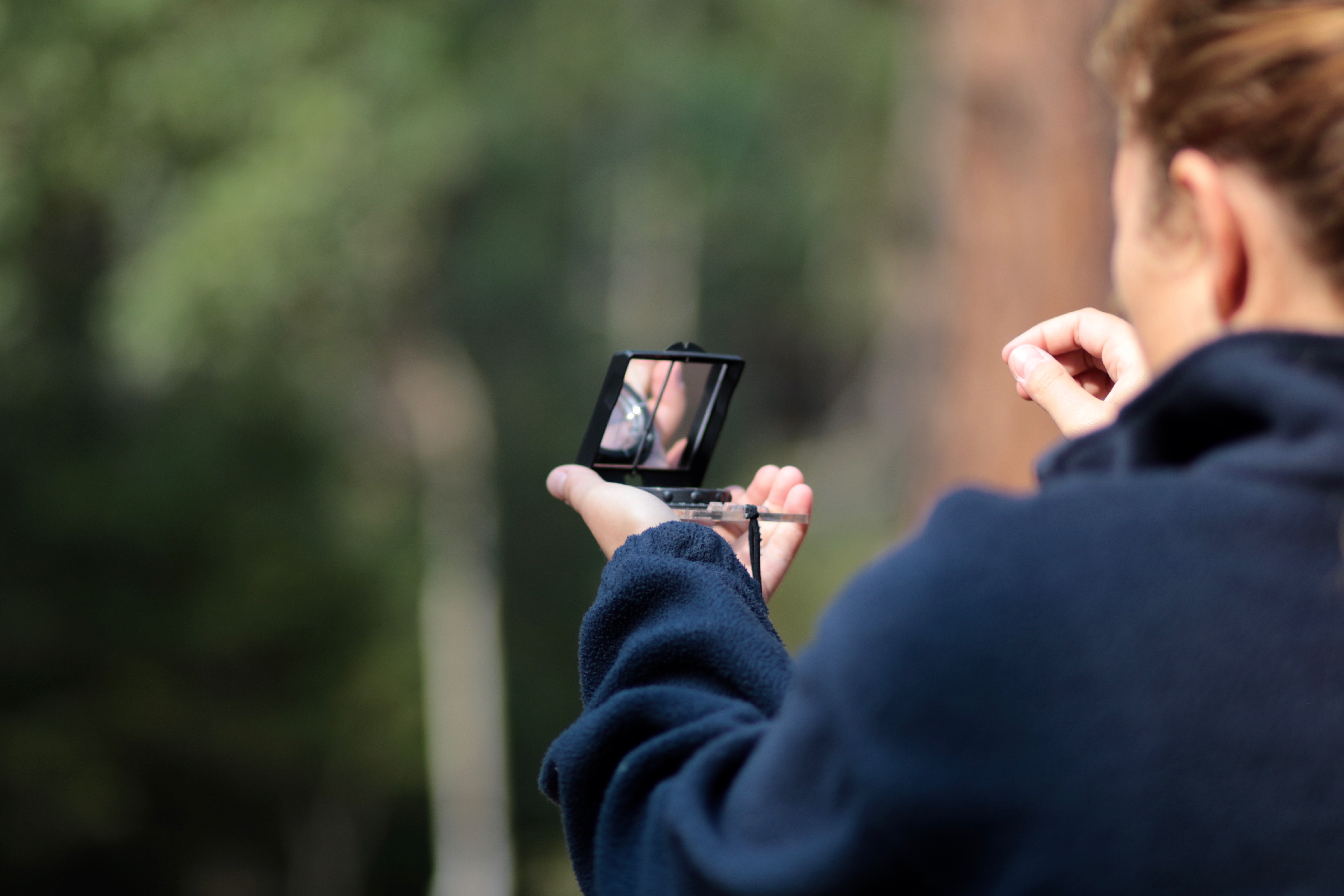
In addition to archaeological methods, students also learn skills for the outdoors.
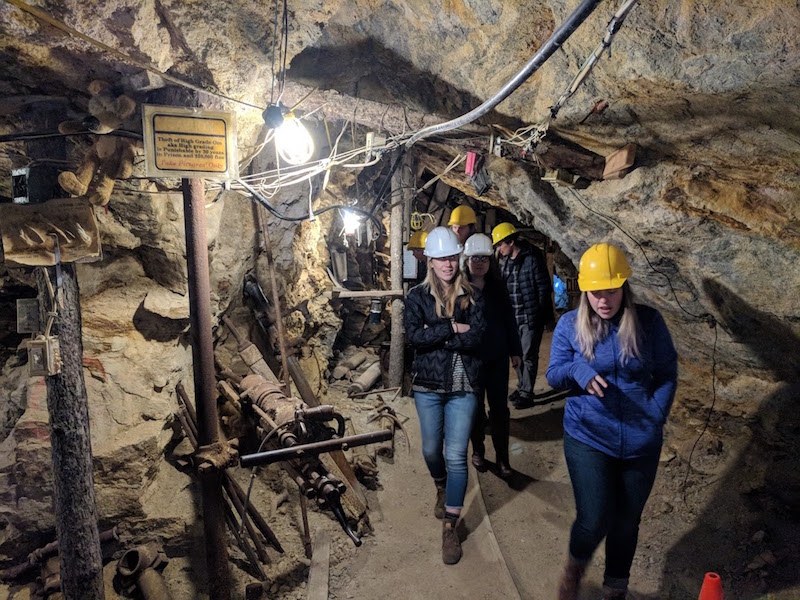
Archaeology courses often include trips to historical societies, museums, and other local resources. Students studying mining archaeology in Colorado visited an active historic mine.
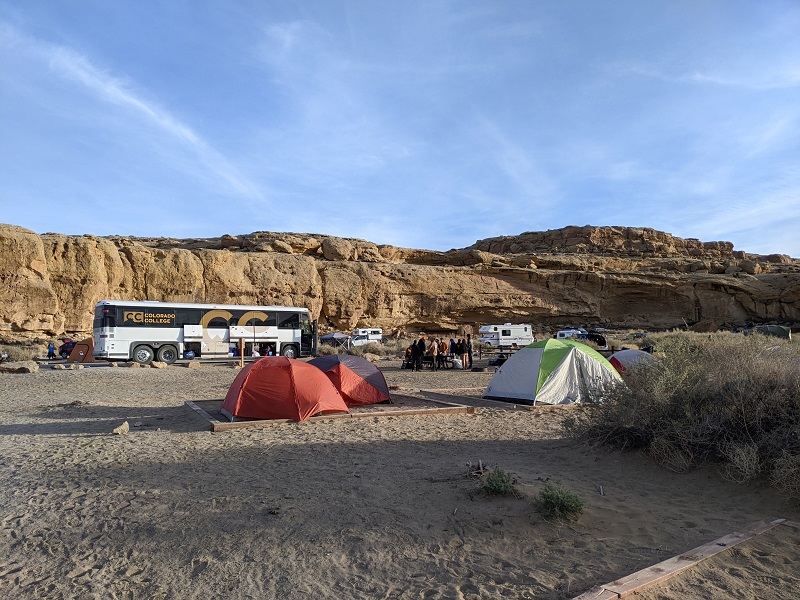
Students camping at Chaco Culture National Historic Park in AN219 Archaeology of the North American Southwest
Scott Ingram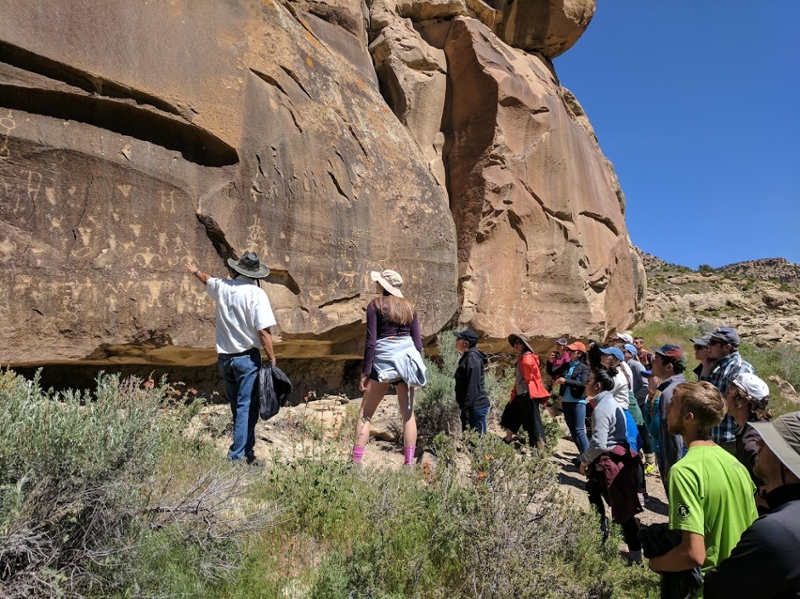
In AN219 Archaeology of the American Southwest, students visit significant archaeological sites across the region.
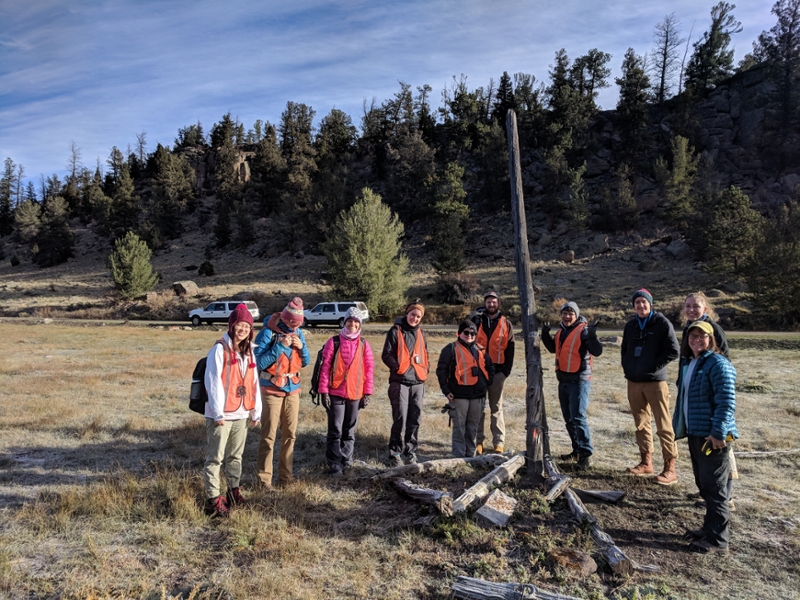
Students in AN320 Field Archaeology prepare to document an archaeological site for the US Forest Service.
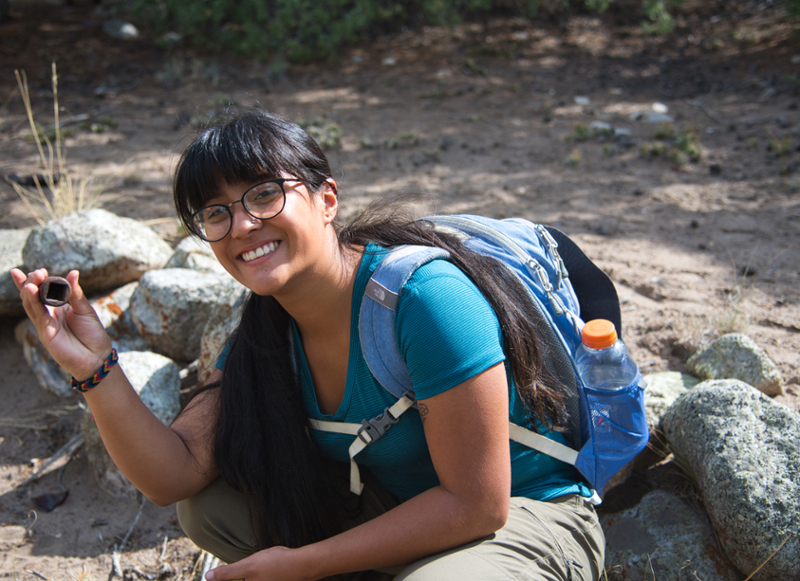
In AN320 Field Archaeology, students identify and record artifacts in "the field." Reports, forms, and maps of archaeological sites and associated artifacts and features are produced by the students and submitted to the US Forest Service. Artifacts are not collected.
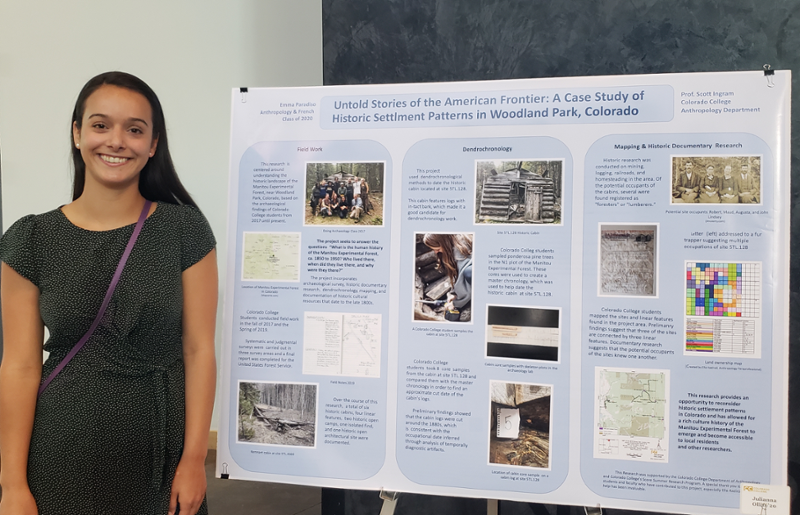
Emma Paradiso ('20) presenting Senior capstone research at the 2020 Annual Meeting of the Colorado Council of Professional Archaeologists in Pueblo, Colorado.
Ella Axelrod
Ella Axelrod ('19) presenting Senior Capstone research at the Colorado Council of Professional Archaeologists annual meeting in Pueblo, 2020.
Amalie Hipp
Joshua Birndorf ('20) presenting Senior Capstone research at the Colorado Council of Professional Archaeologists annual meeting in Pueblo, 2020.
Amalie Hipp
Shelby Patrick ('20) presenting Senior Capstone research at the Colorado Council of Professional Archaeologists Annual Meeting in Pueblo, 2020.
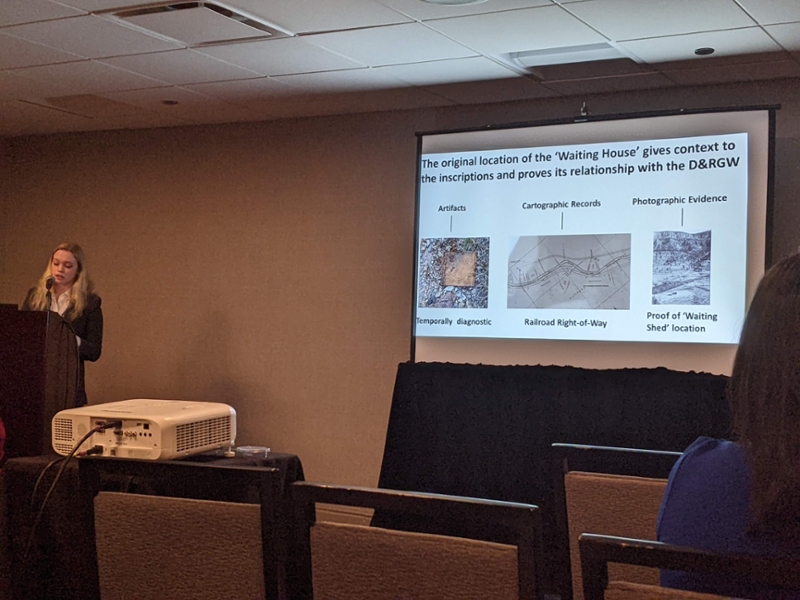
Amalie Hipp ('22) presenting Senior Capstone research at the 2022 Annual Meeting of the Society for American Archaeology in Chicago, IL.
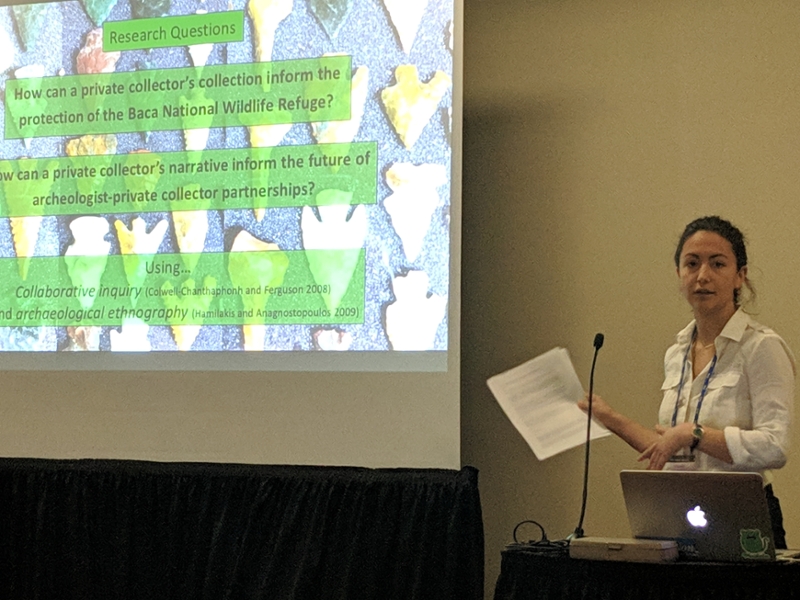
Nikki Mills ('2019) presenting capstone research at the 2019 Annual Meeting of the Society for American Archaeology in Albuquerque, New Mexico.
Most of the students above applied for and received a Conference Presentation Grant to offset the costs of attending and presenting their research at a professional conference.
Several students above worked directly with an Anthropology faculty member and were financially supported by a Faculty-Student Collaborative Grant.
Professors in Subdiscipline
Report an issue -
Last updated: 02/09/2026