“I believe we are meant by nature to be interconnected,” says Yolanda King
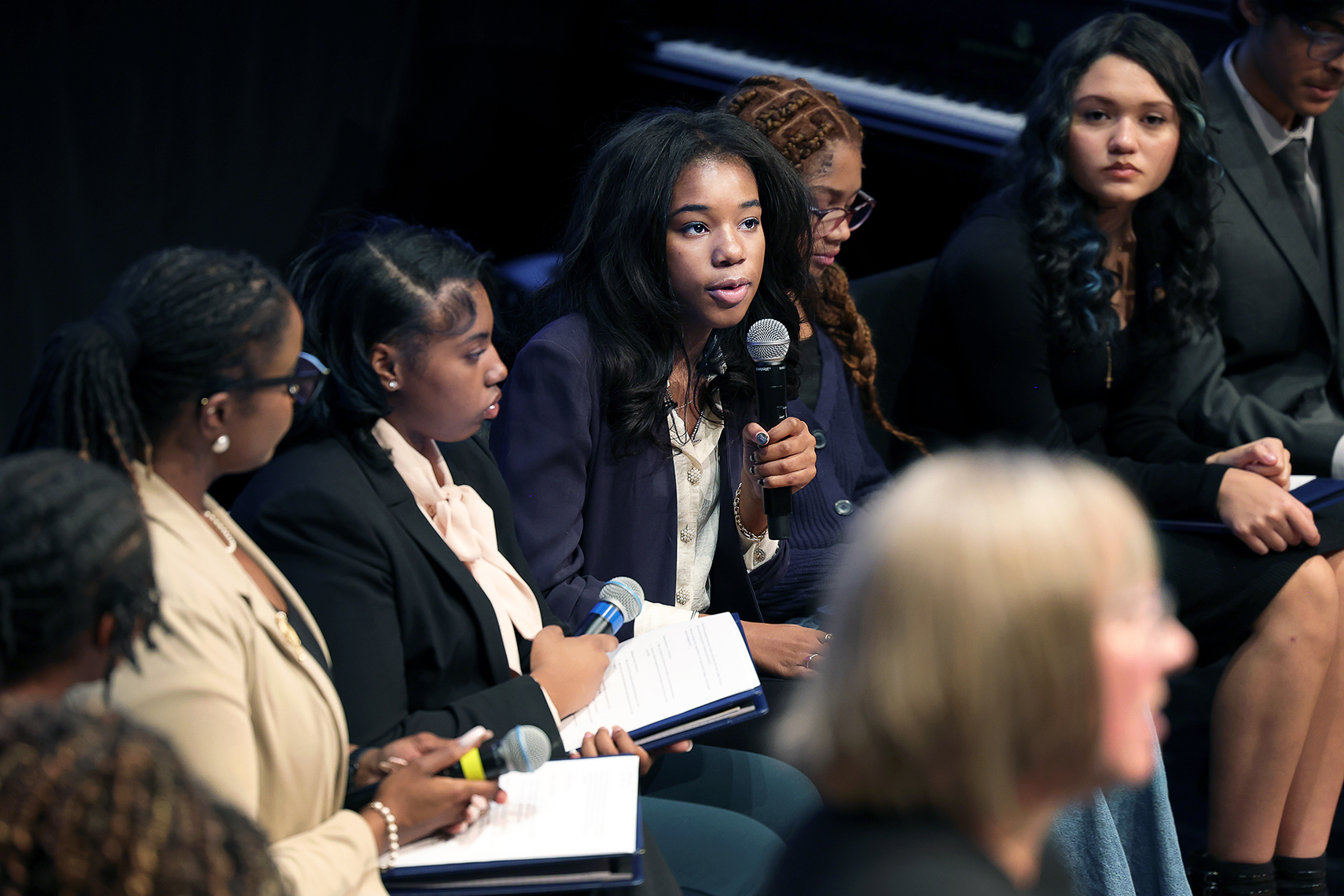
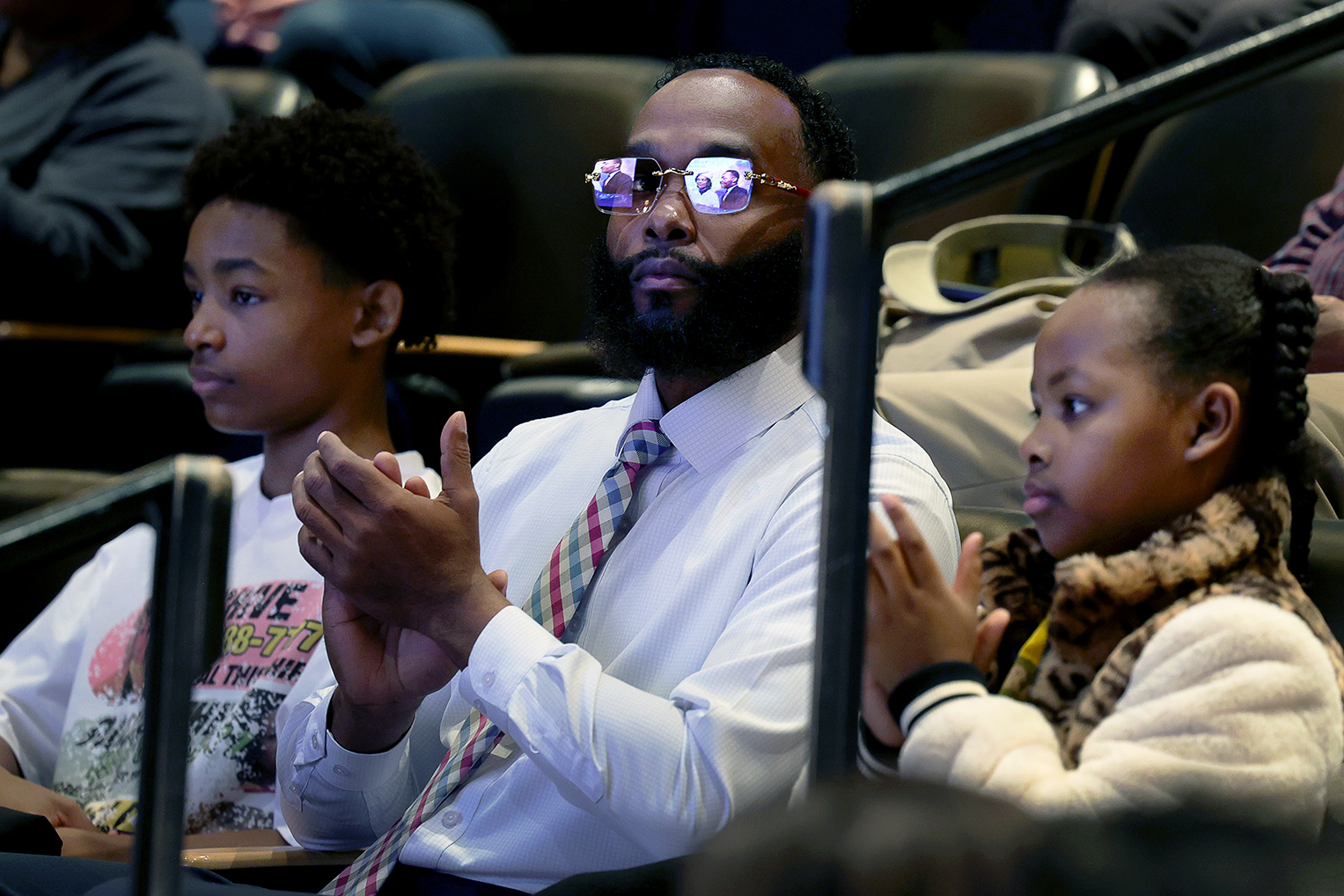
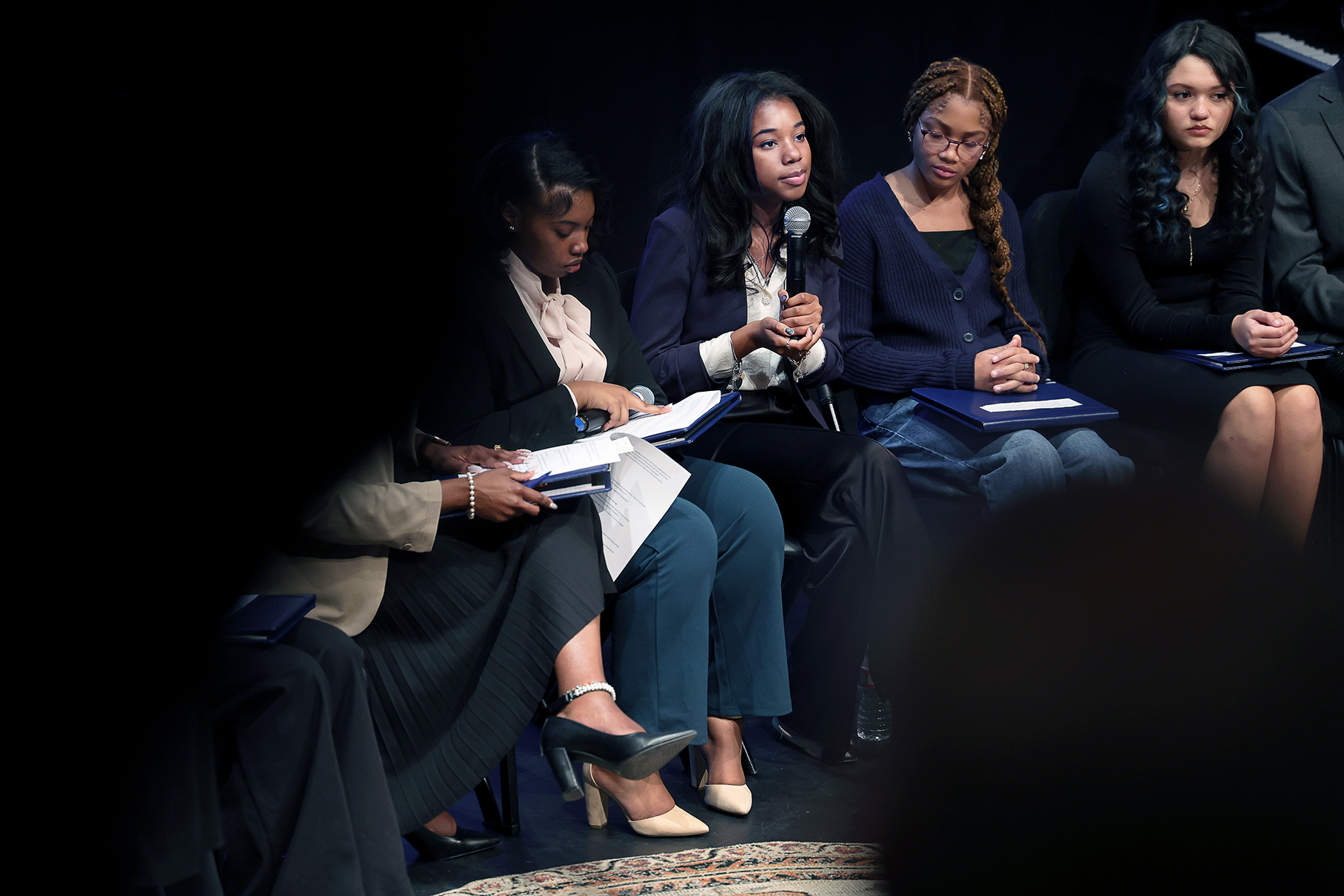
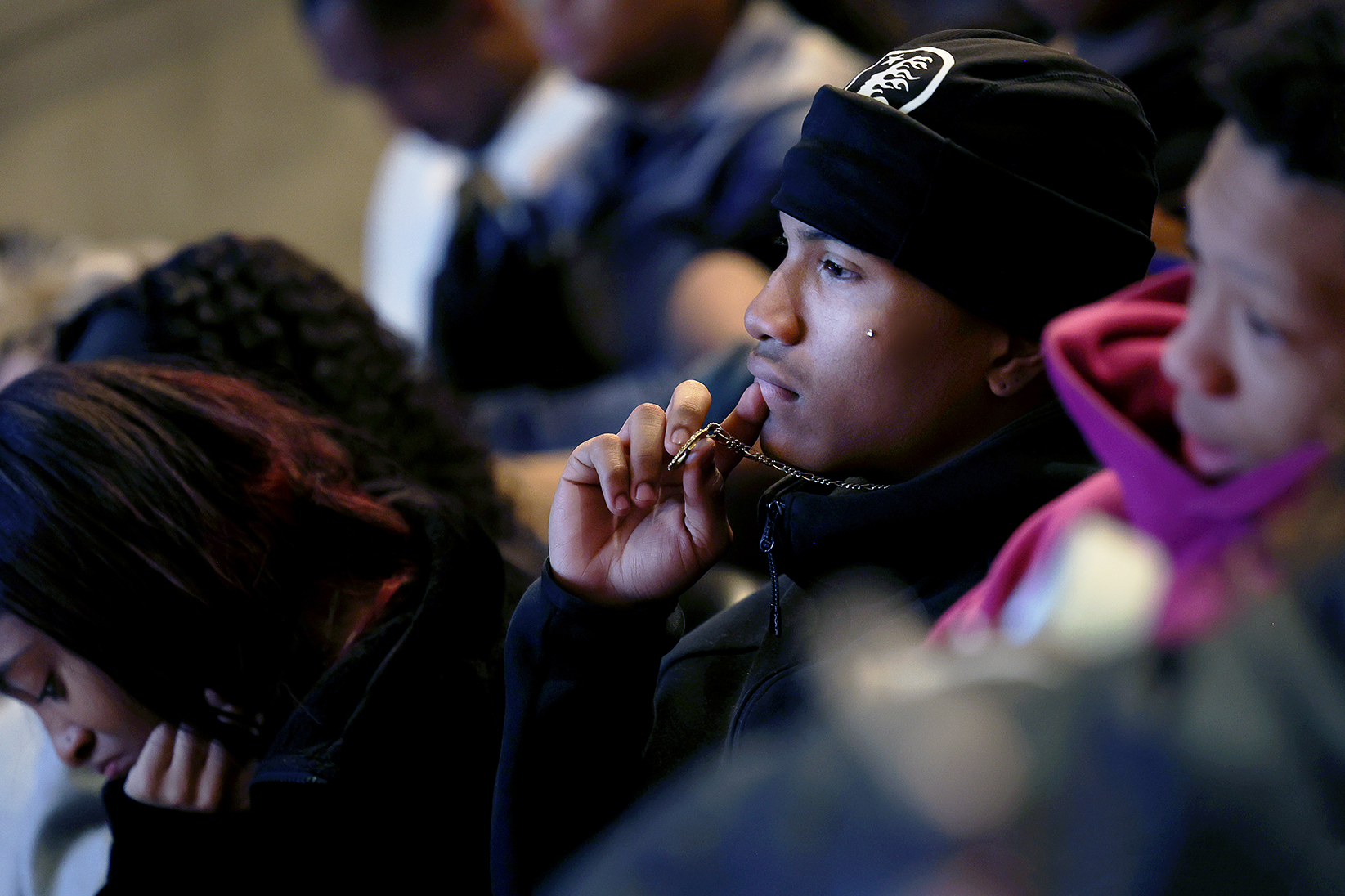
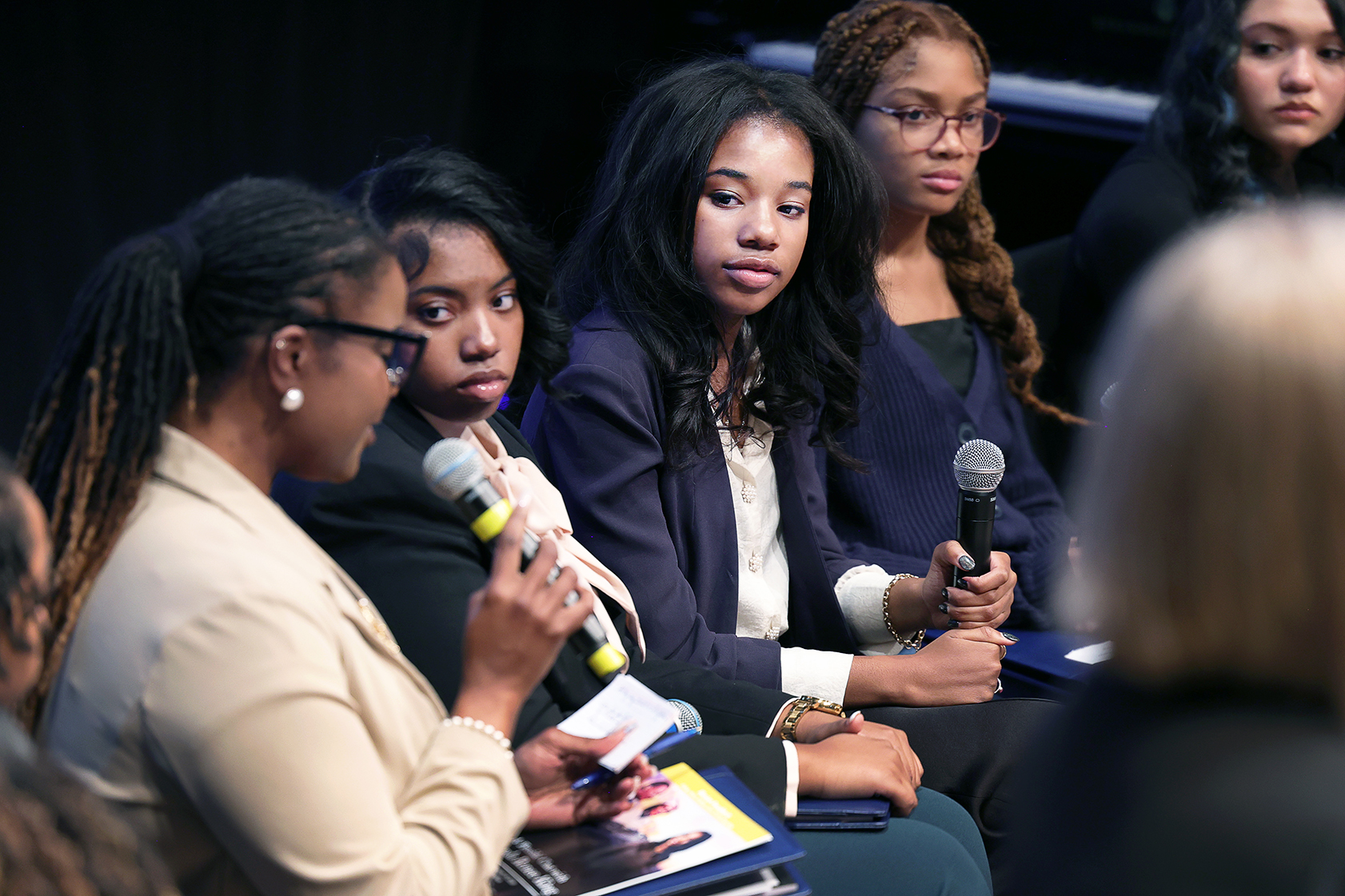
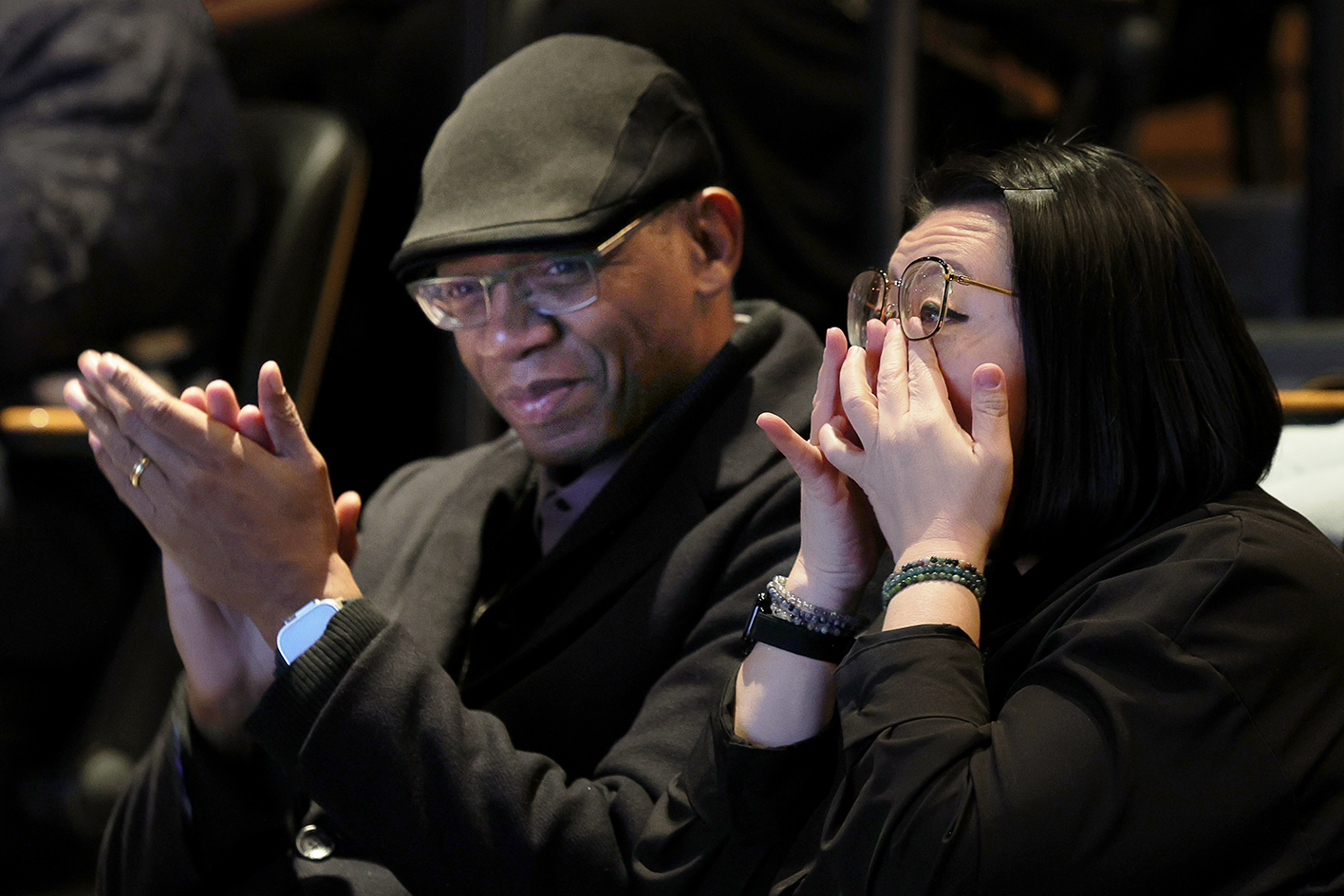
At 17, Yolanda King is already making a name for herself while spreading her late grandfather’s message of peace and interconnectedness. CC’s Office of Institutional Equity and Belonging brought King to campus on Sunday, Jan. 18, the eve of Martin Luther King, Jr. Day, to talk about his legacy in the modern world, share her own perspectives, and answer questions from a panel of area students.
“How does civic engagement strengthen the nonviolent social justice movement?” came the first question from Kasey Cross, a student at Pikes Peak State College.
“It’s up to the people to determine whether they will have a nonviolent social justice movement,” King told the audience of several hundred who filled Richard F. Celeste Theatre. “It’s our responsibility when we put certain people in office, that we remind them what our objective is that we want to see happen. People need to continue to practice the legacy of nonviolence.”
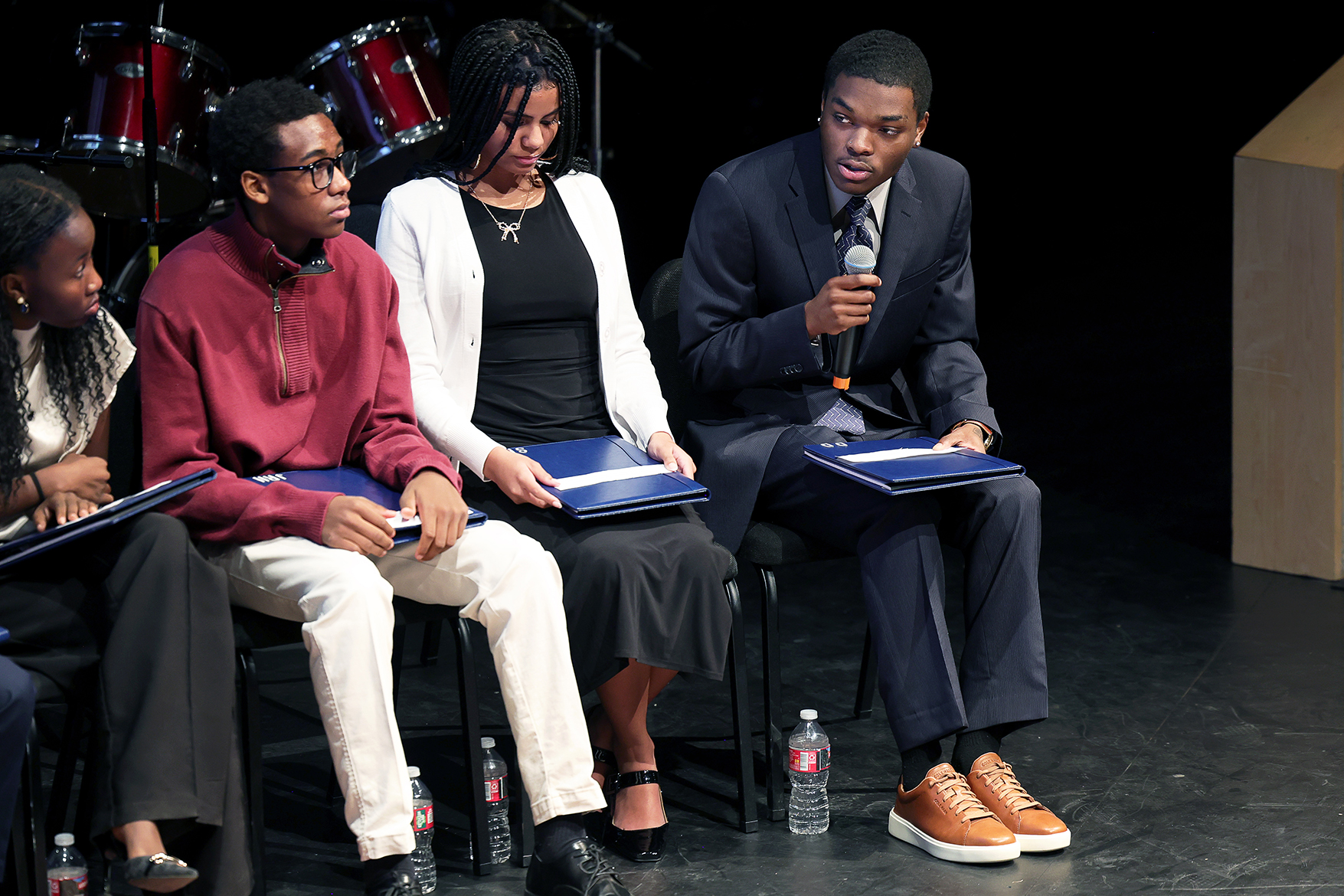
The students on the panel with King ranged in age from 14 to 23 and attend area schools including Sierra High School, Widefield High School, Discovery Canyon Campus High School, online schools, CC, UCCS, and PPSC.
“Can you tell us about a time you helped someone who was being treated unfairly?” asked one student. King replied that the best way to address the aggressor is by “using our voice in a respectable way, with peace and love at the forefront.”
“I engage them and challenge them—not angrily or yelling, as that is not as effective,” said King, who is a senior in high school. “I’ll pull them aside after class and ask them about it, tell them how I feel and why, and get their perspective why they treated that person badly. That usually works. You come to peace after that.”
CC junior Ashley Paul ’27 was on the panel and asked, “With a family so deeply rooted in the history of social justice, how do historical injustices continue to shape modern social structures?”
“It’s not just history, when you think of the civil rights movement and all it has accomplished, it’s barely been 60 years,” answered King. “It’s recent. We need to continue to advocate and do the work. My grandfather didn’t leave saying, ‘ok we’re done.’ He outlined the next steps in his book, Where Do We Go from Here: Chaos or Community? We forget the core of his message that we have to keep on going.”
Moderator Nicole Simmons Rochon, who leads DEI programs at UCCS, carried the thought further, telling Paul and the audience that they were making history today. “We are the living examples of history, how we use and carry our voice so it doesn’t always remain in a textbook that can be changed. The storytellers among us allow us to be the historians of the future.”
King spent over an hour answering a variety of student questions centered around social justice, the civil rights movement, and the power of nonviolence. She says the growing division in America is the biggest issue people need to solve.
“Social media and the algorithm make people’s comments too personalized so you’re only hearing one point of view,” King says. “I’m very opinionated but I am learning how to listen as well and have conversations again. Peace isn’t all under one agenda and all agreeing. That’s not what peace is. It’s being able to coexist while having different opinions. I see that issue in school.”
She made an appeal to the adults in the audience to listen to young voices, be open-minded, and move forward together. And she concluded by raising the importance of faith.
“I come from a family of praying women. In my family there is always a component of faith. Recently, I’ve been making an effort to reconnect with my spirituality because I felt further away from it. Now that I’m older, I feel I have to be the one who sows the seeds. Christianity is how I was raised. Having any faith is important when understanding nonviolence and love. Interconnectedness is what my grandfather talks about. It’s the definition of love. I believe we are meant by nature to be interconnected.”