Colorado College’s commitment to health and wellness didn’t begin with a new program or a strategic plan. It began with students asking the College to do more.
In the aftermath of student deaths during the pandemic, students called for changes that would better support the physical, mental and emotional well-being of the campus community. Their advocacy helped spark what has become the Health and Wellness Initiative, a broad effort focused on helping students, faculty and staff build healthier, more balanced lives.
Students remain central to that work.
“The initiative is holistic, looking at an individual’s well-being,” says Janelle Taylor, AVP of Wellness for Colorado College. “There is the intellectual piece of it and the spiritual. There is also the physical part, offering services that allow all people regardless of physical ability to express themselves physically. The initiative is about finding a balance to achieve a healthier self and community.”
Making Space for Wellness
The Block Plan is an incredible opportunity to learn, be engaged and focus in a way that helps students to see projects through, but it can also create pressure.
“Missing one day here has a much larger effect than missing one day on most campuses,” Taylor says. “But students need to recognize when they need to take care of themselves.”
The Health and Wellness Initiative has helped create more flexibility and clearer communication around that idea. Students can take time away from class when they need to care for their mental health, rather than viewing a break as a failure to keep up.
The Student Counseling Center provides a foundation for that support, including eight free counseling sessions each year, with additional care available when needed. Students can also access virtual telehealth services outside regular hours or connect with providers who may better meet their individual needs.
Peer educators provide another layer of support. These students are trained to talk with their peers about concerns, identify resources and help connect students with services ranging from counseling to disability support.
“The peer educator students are a first line of support, but also in showing the way to other support,” Taylor says.
Sometimes, though, students don’t need another appointment or resource. They simply need permission to stop.
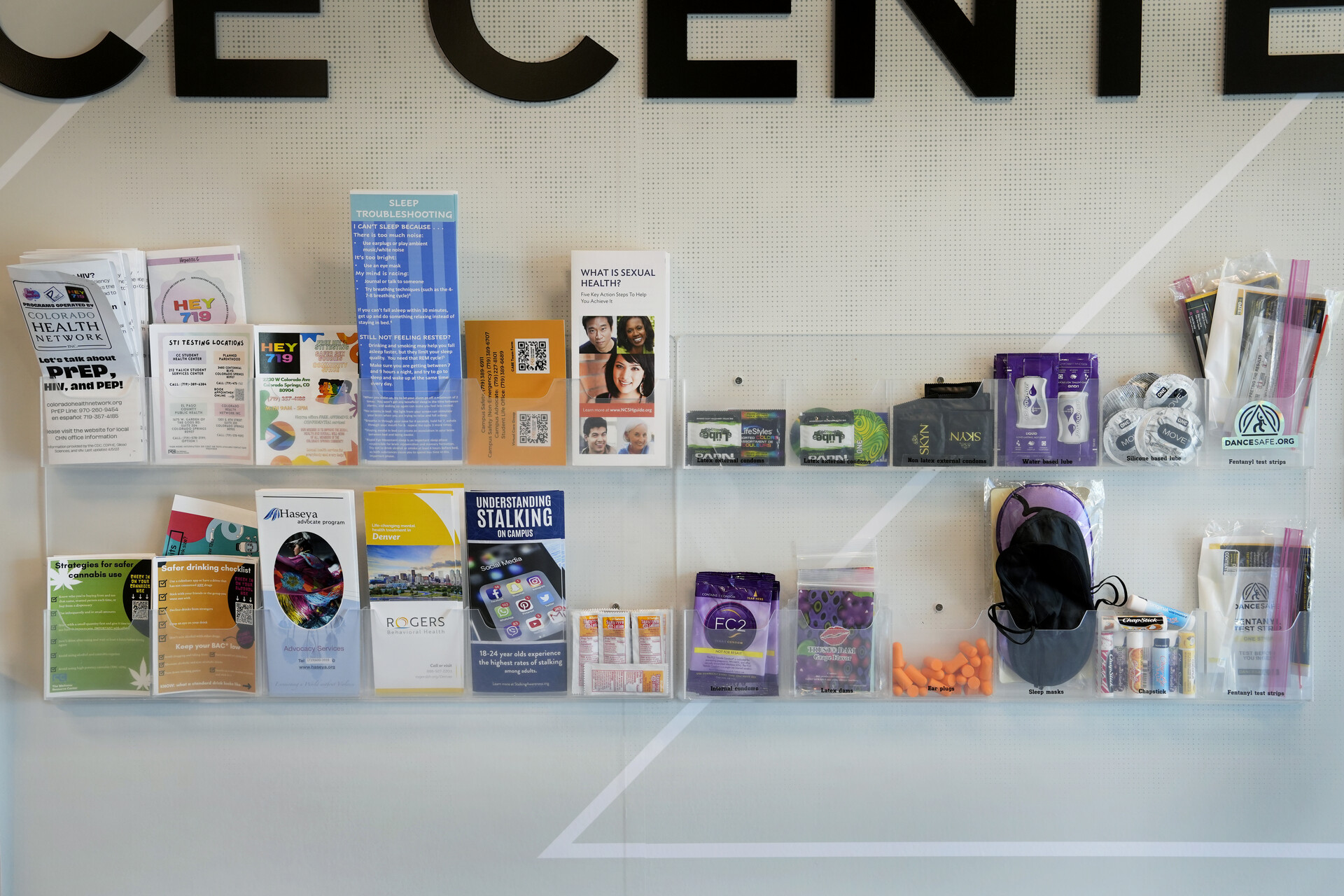
The popular Time to Ungrind program creates opportunities for students to step away from studying and athletics and simply relax. At the Wellness Resource Center, students can spend time on couches, make art, play games or grab a snack. The space is intentionally removed from residence halls and academic buildings so that it feels like a true break from it all.
There is also the SUMMIT portal, a website that offers another way for students to find connection, whether through sports, clubs, outdoor activities, or something as simple as a knitting group.
“The key is it’s encouragement to find activities and groups for connecting,” Taylor says.
Not Just a Student Issue
The College’s approach to wellness extends beyond students. Faculty and staff also need opportunities to rest, recharge and care for themselves if they are expected to support students effectively.
Taylor says Colorado College encourages employees to use their time off without feeling guilty about stepping away.
“We don’t want them to feel guilty that they are leaving more work for someone else” she says. “They need to feel that vacation is taking a break, partly to be better when they get back. We have to support each other in getting a chance to breathe.”
The College also offers workshops designed to help employees make the most of their time away from work. For some people, that means learning how to disconnect from work or caregiving responsibilities long enough for vacation to actually feel restorative.
“You have people who are caring for others on vacation where it’s not a real vacation or where they are stressed from thinking about coming back and it affects part of their time off,” Taylor says. “We teach them to make sure they are truly finding time for themselves where possible.”
Faculty and staff are also learning how to recognize when students may need additional support.
Initially released in the spring, the Supporting Students in Distress tool helps employees determine what kind of intervention may be appropriate, whether that means contacting safety support, connecting a student with counseling or simply walking them to a meeting with a coach or another campus resource.
“Faculty and staff aren’t experts, but they truly want to help,” Taylor says.
Additional workshops, informally known as Communicating Care, help faculty and staff practice conversations with students who may be emotionally dysregulated and learn more about resources available through Student Life, ResX and accessibility services.
The goal isn’t to turn faculty and staff into counselors. It’s to help them recognize when a student may be struggling and know what to do next.
A Healthier Campus, By Design
Colorado College’s wellness work took another significant step with its adoption of the Okanagan Charter for Health and Wellness. The College joined a cohort of more than 40 colleges and universities committed to creating healthier campuses and communities, was vetted, and was accepted into the United States Health Promoting Campuses Network.
The charter reflects a broader commitment to making health and well-being part of how the College operates. For Taylor, that commitment ultimately comes down to how the community defines success.
“Beyond adopting the charter and the initiative overall, it’s important to know that it comes down to remembering what Colorado College is about,” she says. “We all have to help each other be successful in different definitions of success. You can go on to be successful professionally, but if you’re not healthy overall then is it truly success?”
The answer, she suggests, is no.
“We need to remember we’re people—and people need to look out for each other.”