
Poster Day 2026
Shay Anderson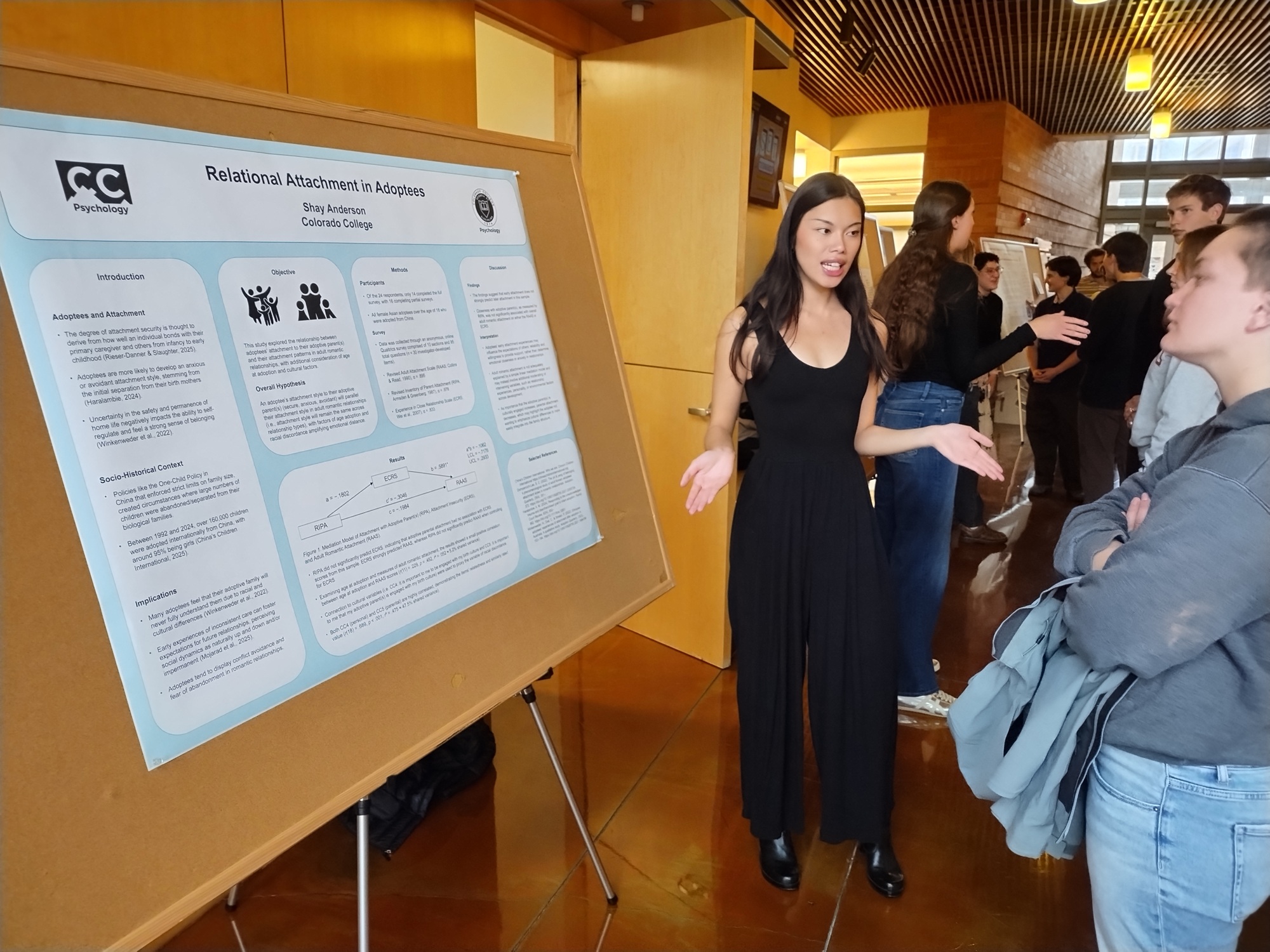
Psychology
Advisor: Christina Ducat
Relational Attachment in Adoptees
This study explored the relationship between adoptees’ attachment to their adoptive parent(s) and their attachment patterns in adult romantic relationships, with additional consideration of age at adoption and cultural factors. Data was collected through an online survey of adult female Asian adoptees from China using established measures of parental and romantic attachment. Exploration of the topic involved the assessment of associations/potential parallels between early caregiver relationships and later relational outcomes, as well as the potential influence of developmental timing and cultural engagement within adoptive families. By focusing on the adoptee perspective, this research contributes to a broader understanding of how early attachment experiences and contextual factors may shape relational development across the lifespan.
Rabbit Barnes
Neuroscience
Advisor: John Horner
Modeling the Psychedelic Brain: A Single LSD Mechanism Explains Static but Not Temporal Neural Complexity
Serotonergic psychedelics produce dramatic alterations in conscious experience through 5-HT2A receptor (5HT2A-R) agonism, yet the mechanistic chain linking receptor activation to emergent neural dynamics remains incompletely understood. Using a Dynamic Mean-Field whole-brain computational model, we investigated which neural complexity measures of the psychedelic state could be reproduced with a simulated Lysergic-acid diethylamide (LSD) pharmacological mechanism. The model of simulated 5HT2A-R activation produced significant increases in neural entropy, spectral complexity, global functional connectivity, and global synchrony, with regional effects driven primarily by anatomical connectivity strength rather than local receptor density. However, the temporal variability of brain states assessed with dynamic functional connectivity decreased rather than increased under simulated LSD, opposing empirical findings. However, functional connectivity dynamics variance decreased rather than increased under simulated LSD. These findings reveal a dissociation between static and temporal signatures of neural complexity: our drug effect mechanism is sufficient to reproduce certain signatures of psychedelic brain, but cannot reproduce its temporal richness.
Emily Bennett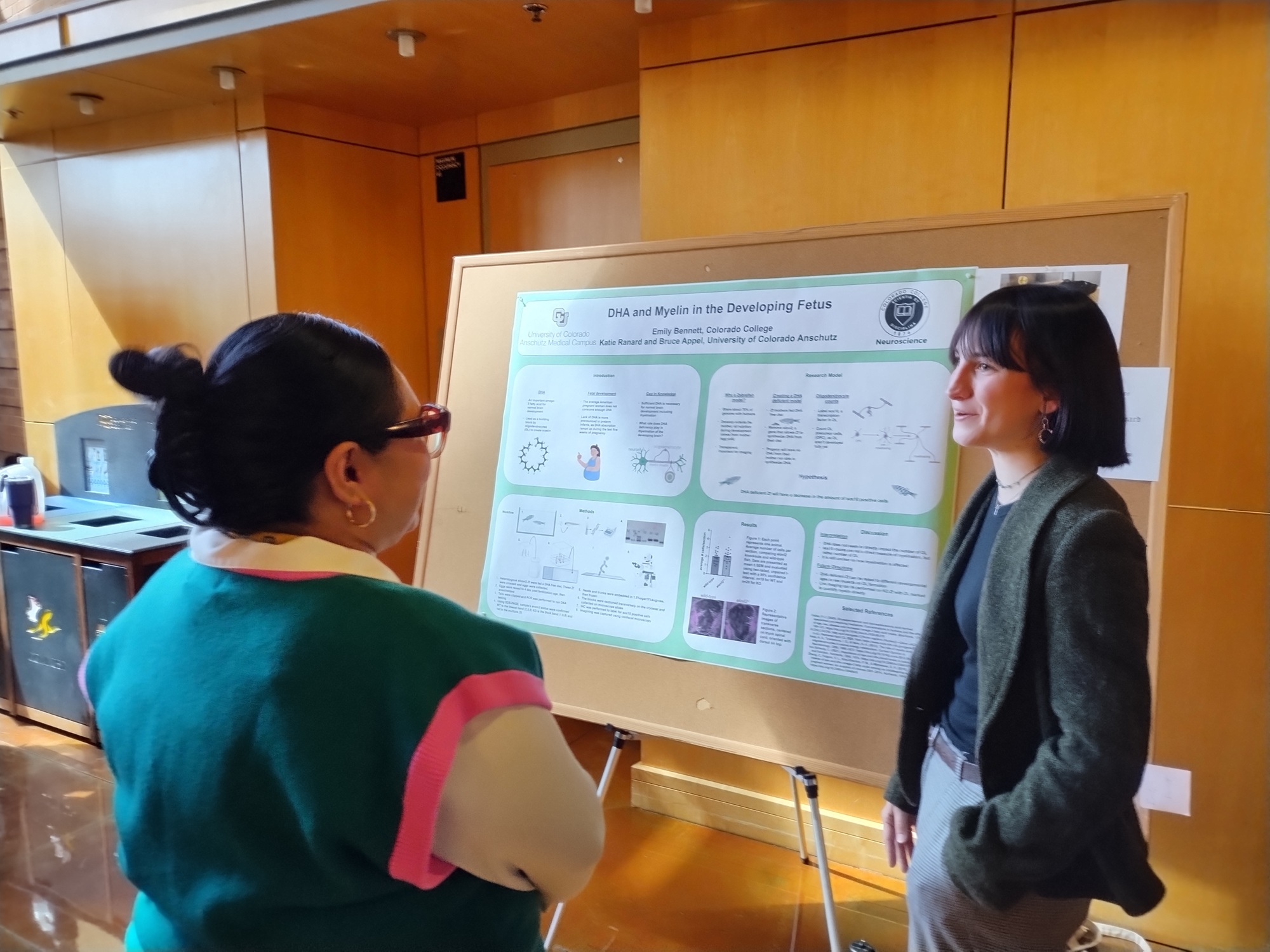
Neuroscience
Advisors: Lori Driscoll, Colorado College
Katie Ranard & Bruce Appel, University of Colorado Anschutz
DHA and Myelin in the Developing Fetus
Docosahexaenoic acid (DHA) is an important omega-3 fatty acid for typical brain development. DHA is used as a building block by oligodendrocytes to create myelin, a necessary component for neuronal communication. The average American pregnant woman does not consume enough DHA, leading to potential lack of transfer of DHA from mother to fetus. This lack of DHA in fetus is more pronounced in preterm infants, as DHA absorption ramps up during the last five weeks of pregnancy. To investigate DHA deficiency on oligodendrocyte production, a model system was made in zebrafish. Zebrafish are unable to produce DHA independently, instead they synthesize it from their diet. The elovl2 gene was knocked out to inhibit this process. The oligodendrocyte counts between control and mutant zebrafish were not significantly different, suggesting DHA may not directly influence the number of oligodendrocytes. However, the methodology used does not differentiate between stages of oligodendrocytes development or types. More research is needed to establish a clear relationship between oligodendrocytes development and DHA in order to explore interventions for DHA-deficiency, especially in the vulnerable population of preterm infants.
Kaie Bismal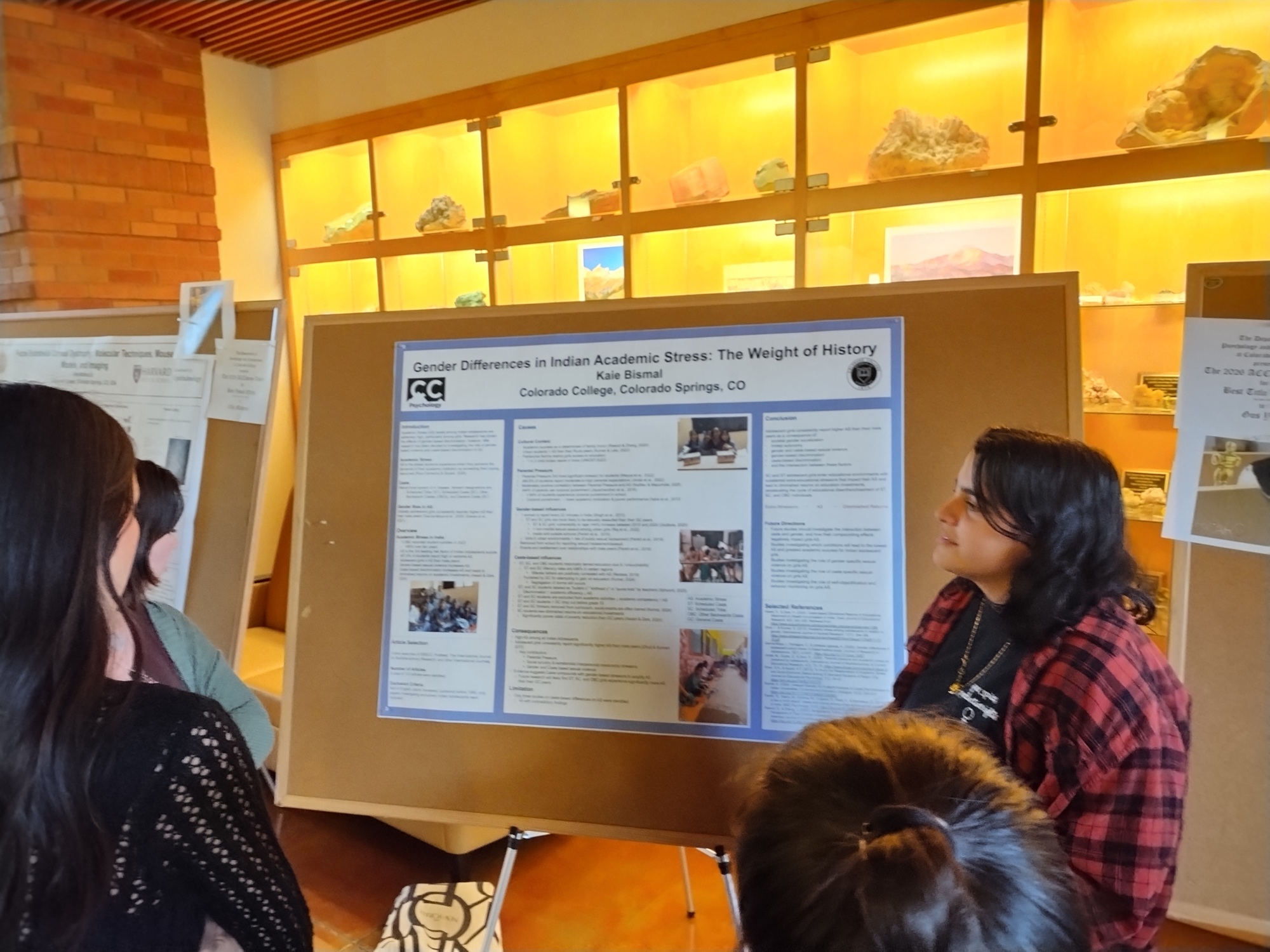
Psychology
Advisor: Tricia Waters
Gender Differences in Indian Adolescents Academic Stress: The Weight of History
This review examines gender differences in academic stress among Indian adolescents with a focus on the compounding effects of gender and caste-based discrimination and violence. Indian adolescents commonly report high rates of academic stress as a result of high parental pressure and traditional collectivist values than emphasise academic success as a determinant of family honour. Adolescent girls consistently reported higher rates of academic stress than their male peers, a disparity attributed to gender-specific extraeducational stressors such as sexual violence, social scrutiny, and limited autonomy. This review also investigated the effect of caste-based discrimination on academic stress, which compounds with gender-based discrimination and gender specific social stressors to exacerbate adolescent girls' academic stress. Despite limited research on the direct impacts of caste-based discrimination on academic stress, evidence suggests Scheduled Tribe and Scheduled Caste girls likely experience higher academic stress than their peers as a consequence of the compounding discrimination and systemic barriers that hinder their educational careers. Overall the current review of the literature found support for a significant gender difference in academic stress, and highlights potential variables that may be impacting Scheduled Caste and Scheduled Tribe girls academic stress, with a discussion of implications for future research.
Anne Bradford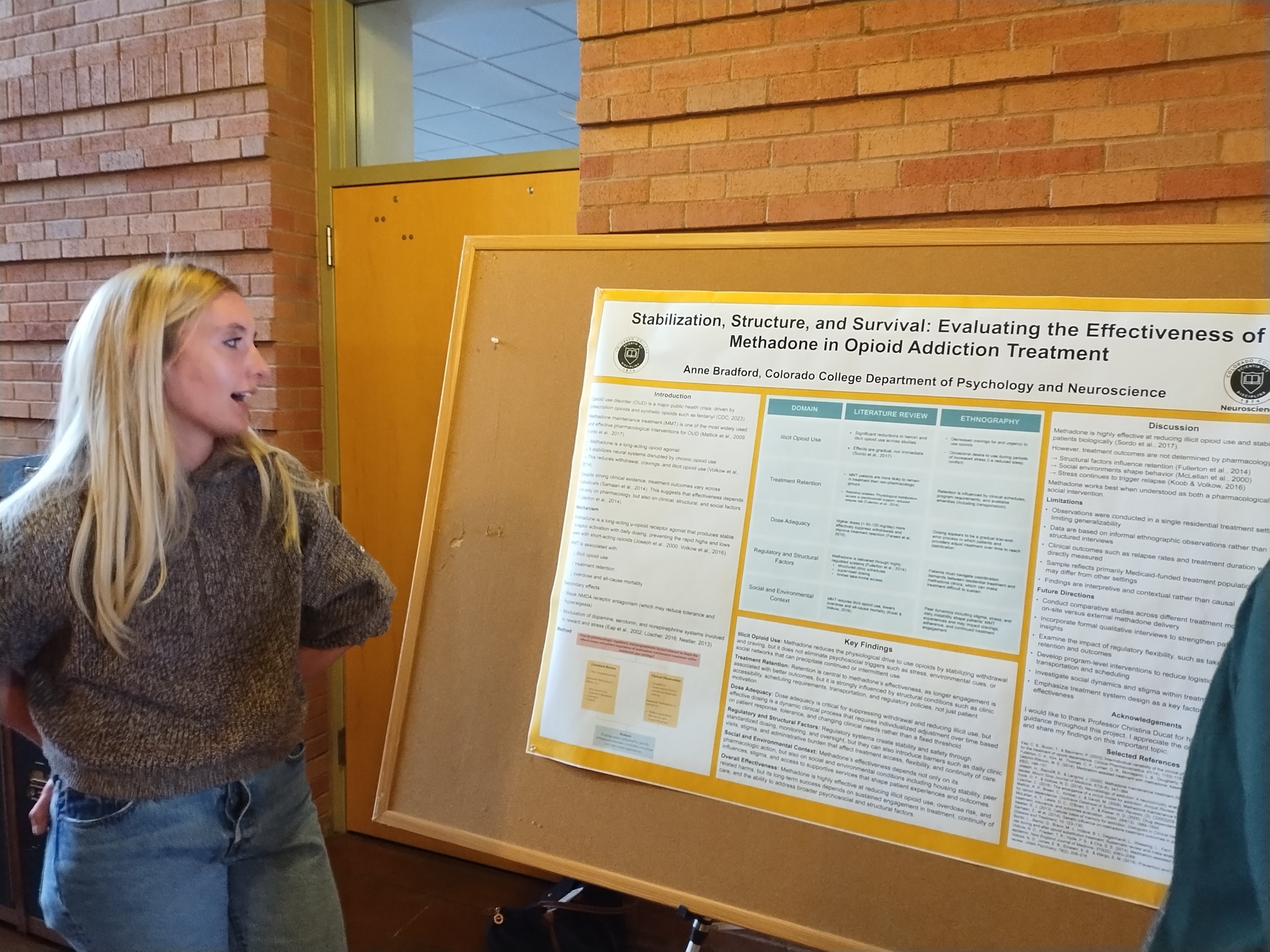
Neuroscience
Advisor: Christina Ducat
Stabilization, Structure, and Survival: Evaluating the Effectiveness of Methadone in Opioid Addiction Treatment
These field observations extend the empirical literature documenting reductions in illicit opioid use among patients receiving methadone maintenance treatment by illustrating the everyday processes through which those outcomes are produced. Rather than reflecting immediate or complete cessation, these reductions often emerge through gradual behavioral change shaped by patients’ lived environments. Informal conversations indicated that while methadone diminished the physiological urgency to obtain opioids—a mechanism well established in clinical trials—periodic use could still occur in response to psychosocial stressors such as interpersonal conflict, emotional distress, or sleep disruption when not mitigated by effective coping strategies. Critically, these findings suggest that methadone’s effectiveness is not solely a function of its pharmacologic action but of its interaction with patients’ social and emotional contexts. Pharmacologic stabilization reduces baseline craving and withdrawal, but its capacity to produce sustained reductions in illicit use depends on whether patients are able to manage external stressors and access supportive resources in their daily lives. In this sense, methadone creates the conditions for behavioral change, but does not independently determine it; outcomes are instead shaped through the dynamic interplay between medication effects and the environments in which patients are embedded.
Katie Craven, Elise Evans, Tor Evenstad, Emily Silva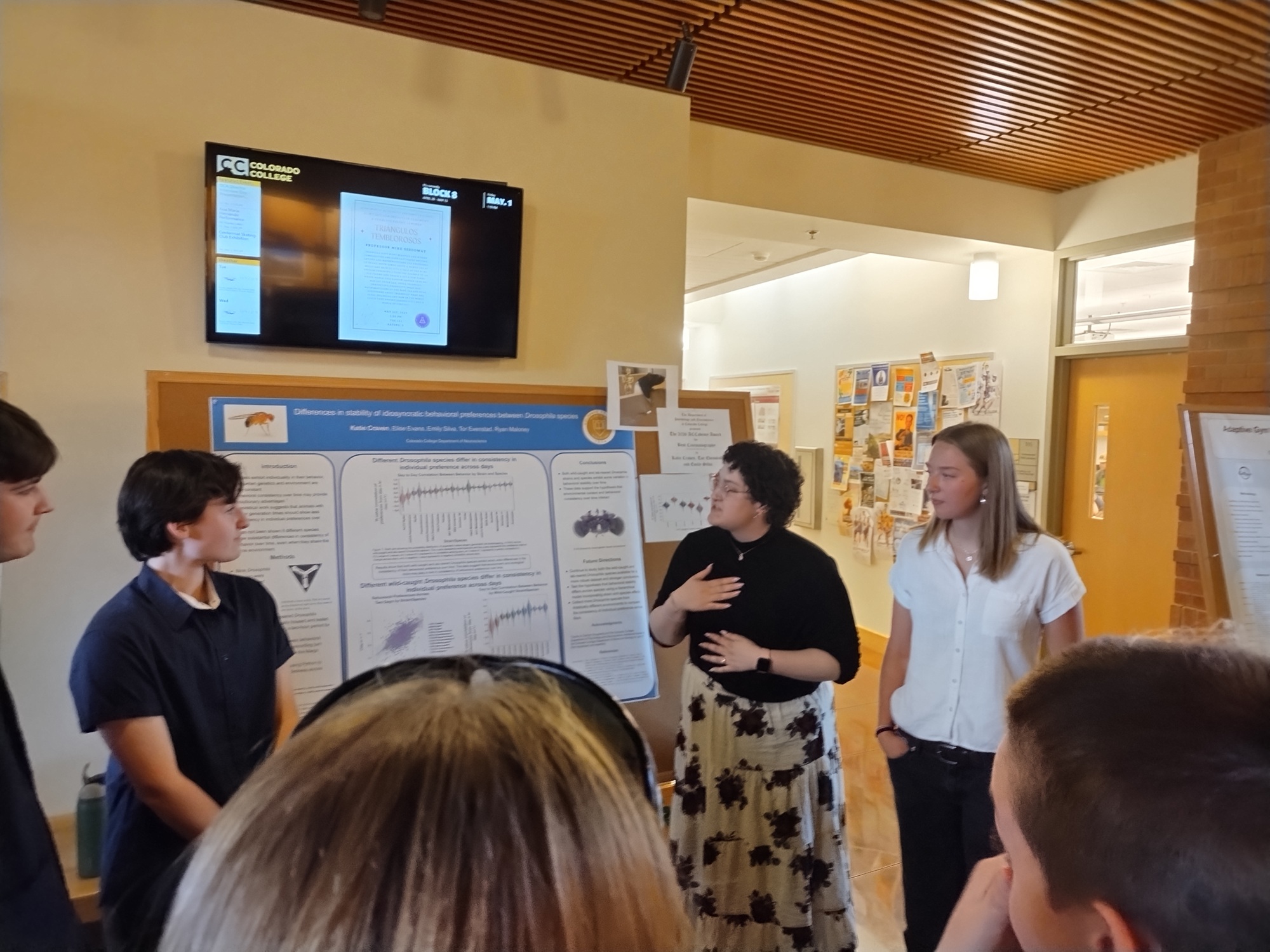
Neuroscience
Advisor: Ryan Maloney
Potential mechanisms regulating variability in Drosophila and comparison in behavioral variability among Drosophila species
Animals exhibit individuality in their behavior, even without an inherently genetic or environmental basis. These differences in behavior have been previously shown to be regulated by serotonin. However, it is not yet known which serotonin receptors are most directly impacting variability. We compared control Drosophila melanogaster with serotonin-signaling deficient mutant D. melanogaster for each of the five Drosophila serotonin receptors. We measured handedness in a Y-maze assay over the course of two hours for a three-day period, and found that receptor knockouts 5-HT1A, 5-HT1B, 5-HT2B, and 5-HT7 show decreased consistency in individual preference over time, termed phenotypic drift. To test if differences in within-population individuality differ between species, we also observed five species (eleven different strains) of Drosophila to see if there was variation in their behavioral preference over time. We observed differences between species and within species, raising many questions about the genetic differences of wild caught Drosophila. These findings provide insight into the potential mechanisms driving individuality and its regulation. These findings also allow for a further understanding of how animals use variability in their behavior to maximize survival in unfamiliar environments.
Sammy Curry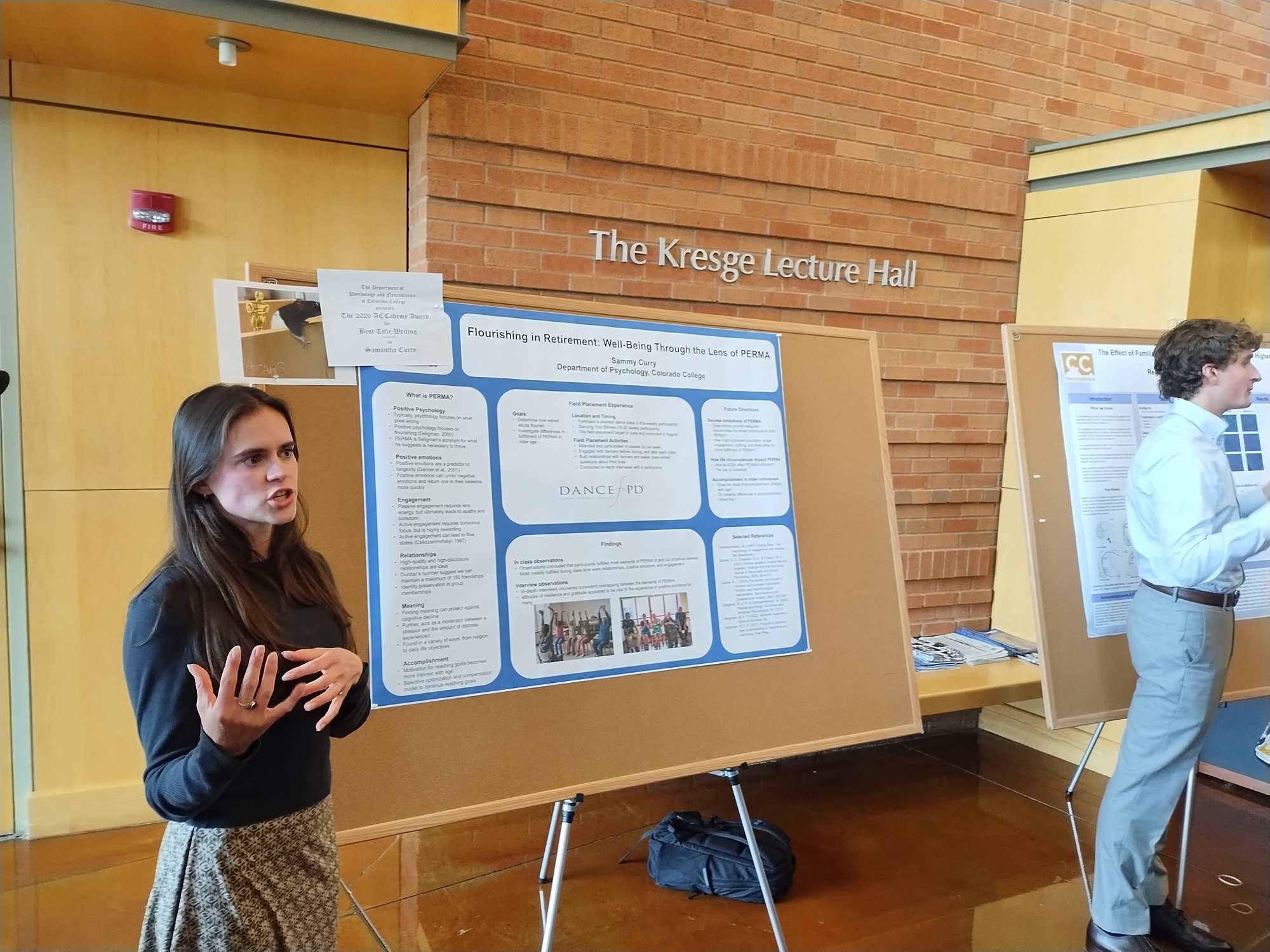
Psychology
Advisor: Tricia Waters
Flourishing in Retirement: Well-being Through the Lens of PERMA
Retirement is a major life transition requiring those undertaking it to re-evaluate how they fulfill well-being. Seligman’s model of PERMA - positive emotions, engagement, relationships, meaning, and accomplishment - can guide individuals through this process. A comprehensive review of the literature on this topic reveals PERMA to be a relevant model for aging adults, while underscoring the shifts in how elements are attained with age. A three month field placement was conducted on older adults participating in two dance groups in Colorado Springs, Colorado, with in-depth interviews conducted on four participants aged 63-76, 50% female. Information collected over the course of the field placement and the interviews revealed a strong sense of flourishing across the group, despite many experiencing physical and psychological setbacks with age. Many participants fulfilled the positive emotions, engagement, relationships, and meaning elements of PERMA in and out of the dance classes, with a strong overlap between many of these elements. Accomplishment was less present and was often reframed to be more intrinsically motivated. Overall, the literature and results of my field placement support PERMA as a relevant model for flourishing in retirement.
Francis Curtis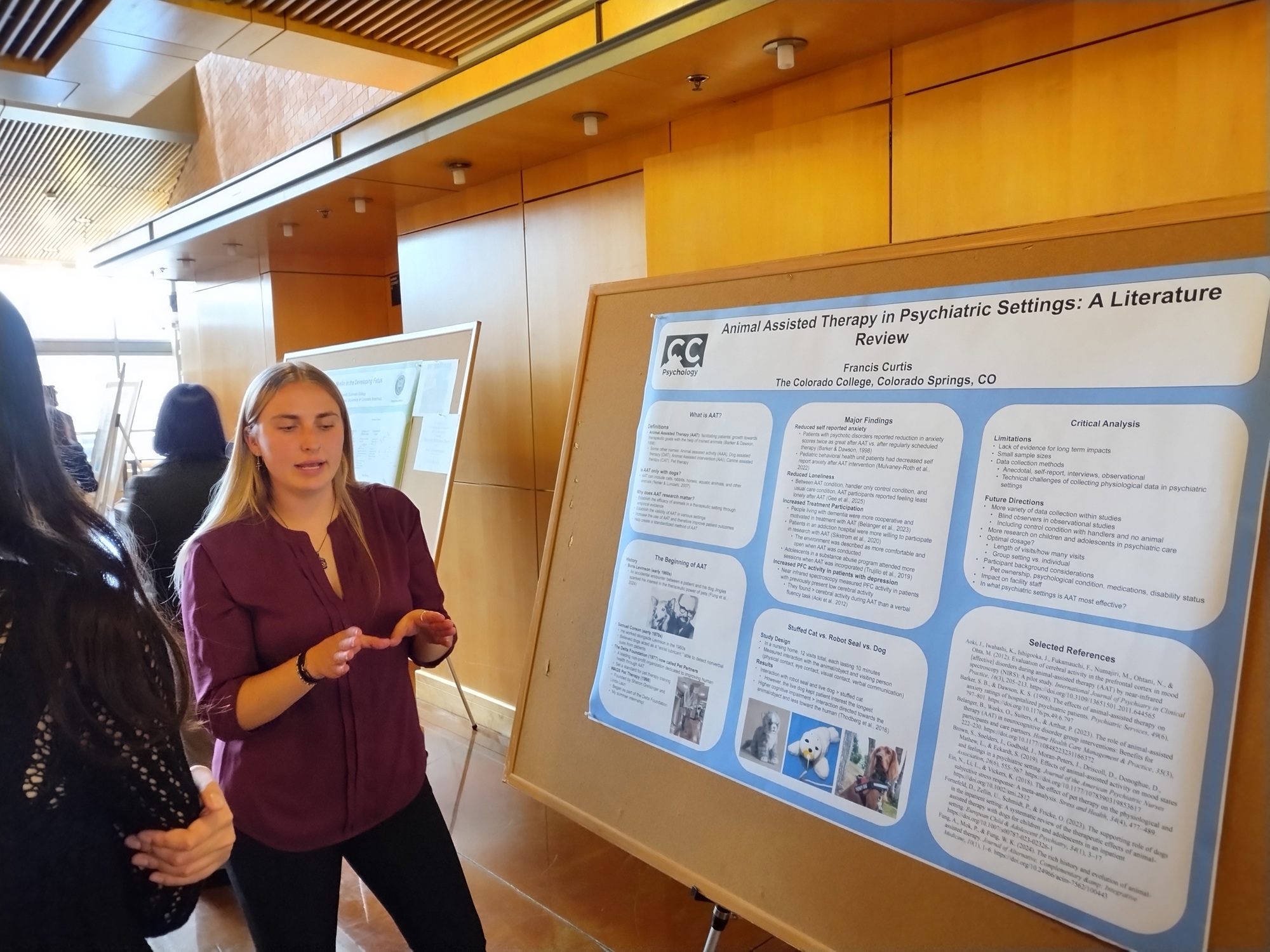
Psychology
Advisor: Tricia Waters
Animal Assisted Therapy in Psychiatric Settings: A Literature Review
Animal Assisted Therapy (AAT), defined as facilitating therapeutic goals with the help of trained animals, has grown in popularity across hospitals, nursing homes, and schools. This literature review examined the efficacy of AAT in psychiatric settings. Current research synthesized in this review, including various meta-analyses and individual studies, demonstrated that AAT significantly reduces self-reported anxiety, stress, and loneliness while increasing positive affective states such as happiness and relaxation, and increasing prefrontal cortex activity during AAT interventions. However, the field faces significant methodological limitations, including small sample sizes, a reliance on self-report measures prone to bias, and a lack of longitudinal data to assess long-term effects. This review concluded that while AAT is a promising complementary treatment, further rigorous research is required to determine optimal dosing and to create a standardized method for delivery within psychiatric care.
Avy Diamond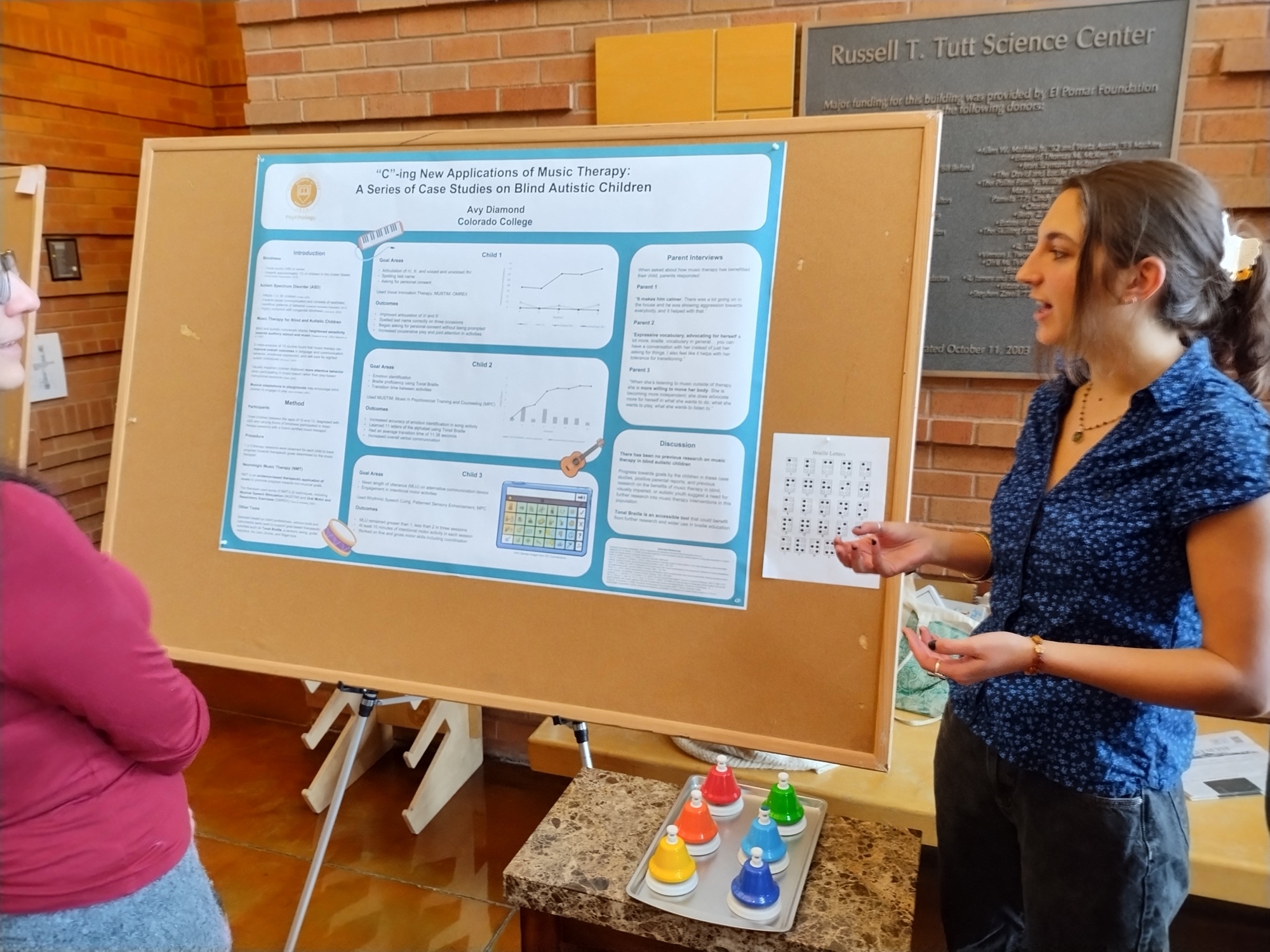
Psychology
Advisor: Kristi Erdal
“C”-ing New Applications of Music Therapy: A Series of Case Studies on Blind Autistic Children
Research on music therapy in blind autistic children is in its infancy, but high comorbidity of these diagnoses suggests a need for inquiry into the viability of music therapy as an intervention for this group. Current research on music therapy in populations with either diagnosis is presented. A series of case studies outlines the experiences of three children in music therapy, each diagnosed with autism spectrum disorder (ASD) and some form of blindness, among other diagnoses. Guided by a music therapist, children participated in activities related to individualized goals, often involving techniques emerging from the framework of Neurologic Music Therapy. Tools used in music therapy sessions and goal behaviors are described. Interviews were conducted with parents to gain insight into their personal views on music therapy. Suggestions for areas of focus in future research are discussed to elaborate on findings from and tools used in this series of case studies.
Lila Gilmer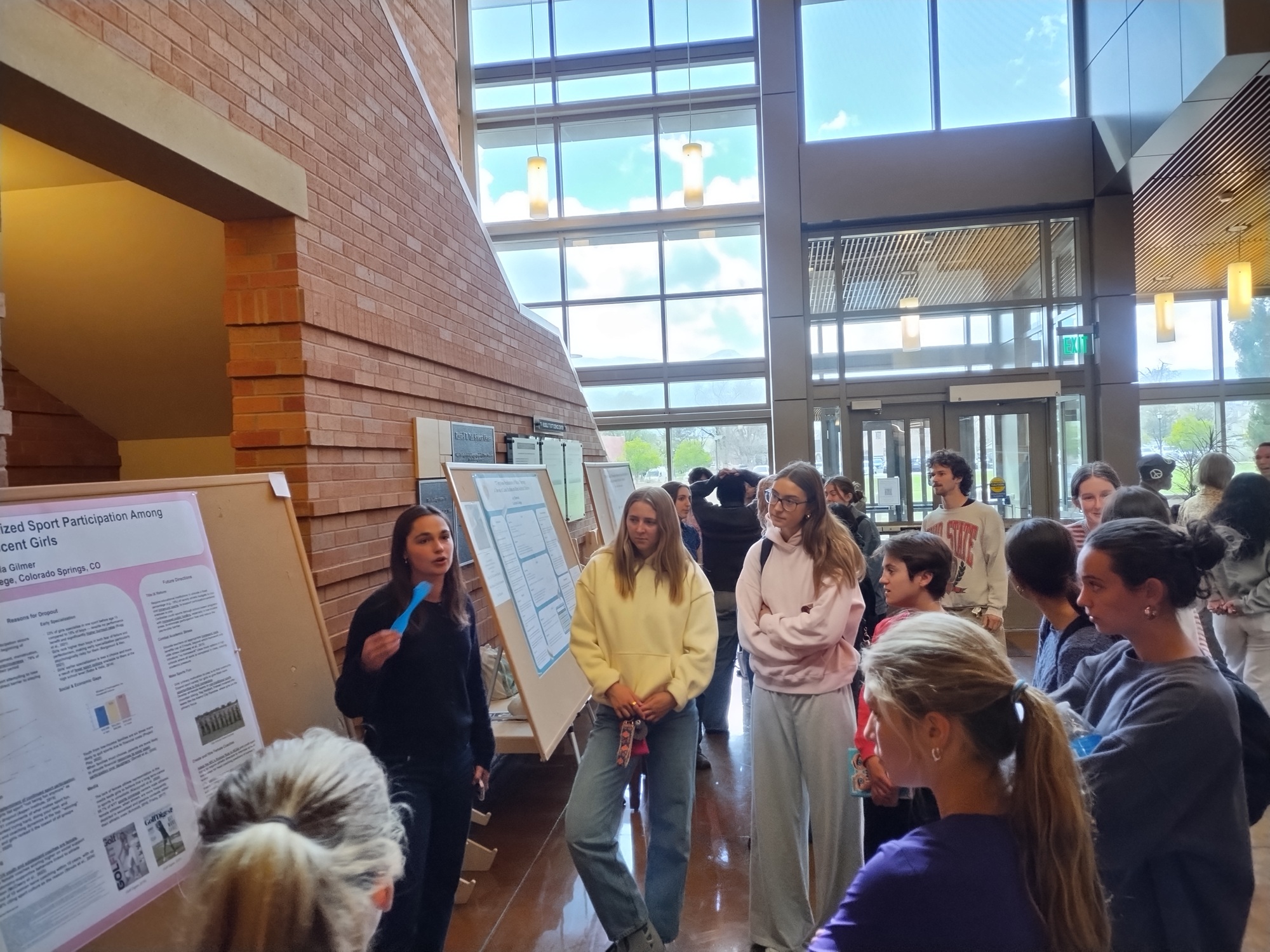
Psychology
Advisor: Kristi Erdal
“I Quit”: The Decline in Organized Sport Participation Among Adolescent Girls
Despite the expansion of opportunities for female athletes following the passage of Title IX, adolescent girls continue to drop out of organized sport earlier and at higher rates than boys. By age 14, girls stop participating in sports at twice the rates boys do. This literature review examines the historical, social, psychological, and structural factors contributing to adolescent girls’ attrition from organized sports. Key factors influencing dropout include pubertal changes and body image concerns, sociocultural pressures, academic burnout, and shifting social priorities during adolescence. Structural barriers such as limited sport variety, early specialization, performance-driven environments, and inequities related to race and socioeconomic status further limit continued participation. Additionally, the lack of female coaches and representation of female athletes in media lead girls to lack vision of a long-term career in athletics. The findings suggest that the current youth sport model—with competition and specialization at the forefront—does not align with the developmental needs of adolescent girls. Restructuring sport systems to prioritize participation, enjoyment, and accessibility over competition is essential to sustaining girls’ participation.
Chris Gruschow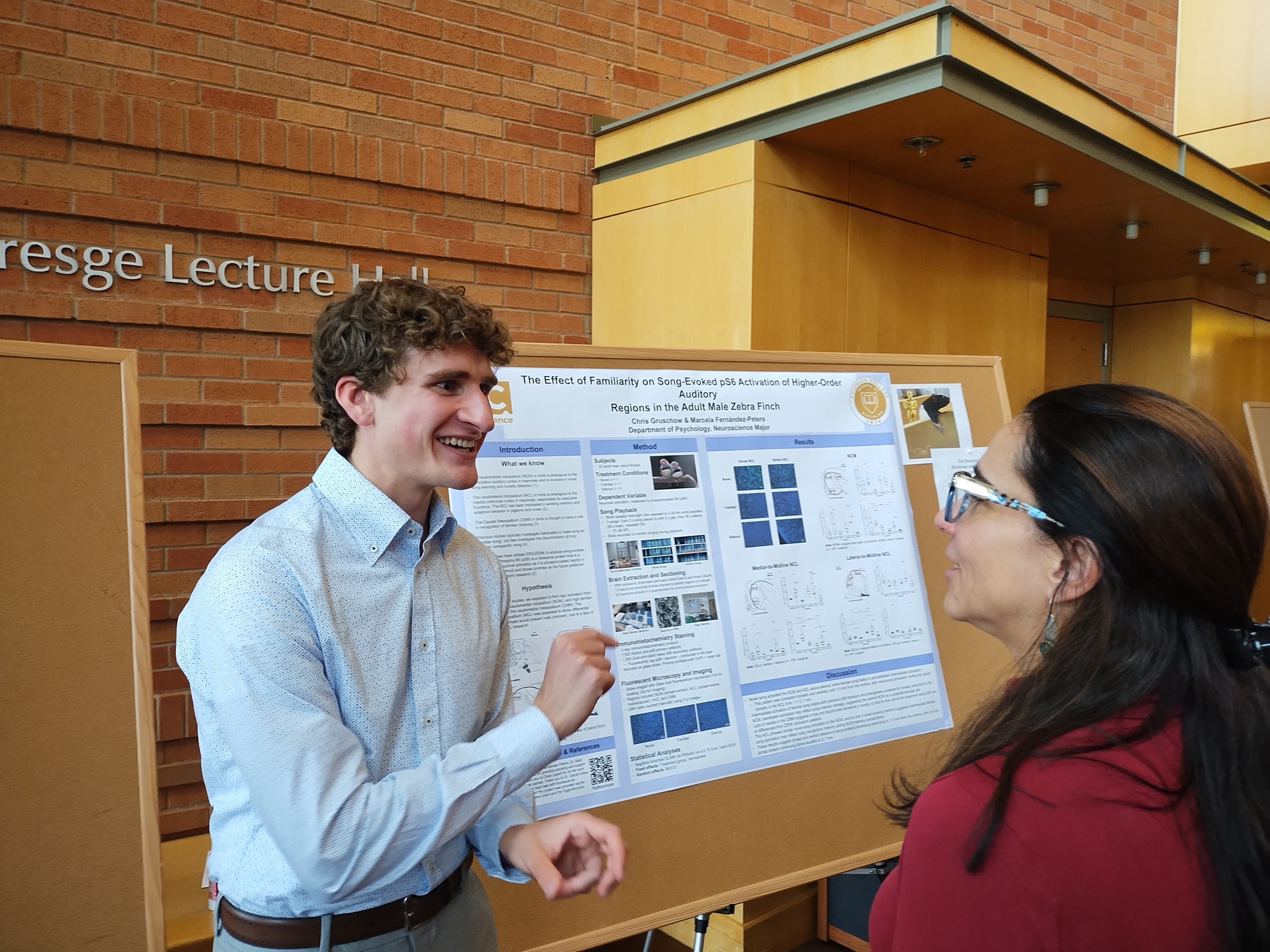
Neuroscience
Advisor: Marcela Fernandez Peters
The Effect of Familiarity on Song-Evoked pS6 Activation of Higher-Order Auditory Regions in the Male Adult Zebra Finch
Conspecific song induces neural activation in nidopallial and mesopallial regions of the zebra finch brain. While the caudomedial nidopallium (NCM) and caudomedial mesopallium (CMM) are well studied in song processing, the role of the caudal lateral nidopallium (NCL), associated with executive control, remains less understood. We examined phosphorylated S6 as a marker of neuronal activation in subregions of the NCM, NCL, CMM, and HVC in adult male zebra finches following 30 minutes of playback of novel or familiar conspecific song. Relative to silence, novel song significantly activated both NCM and NCL, whereas familiar song did not, though marginal effects were observed in some subregions. Activation extended dorsally and ventrally from the midline to 1.5 mm lateral, with novel song responses in the NCL continuing caudodorsally to 2.7 mm, while ventral activation diminished. No differential activation was observed in CMM, HVC, or dorsal-rostral NCL. Lateralized effects were identified in dorsal-caudal NCL. These results suggest medial-to-lateral dorsal and ventral processing streams linking NCM and NCL and support distinct roles for these regions in encoding song novelty, familiarity, and possible memory consolidation.
Alyssa G. Kawala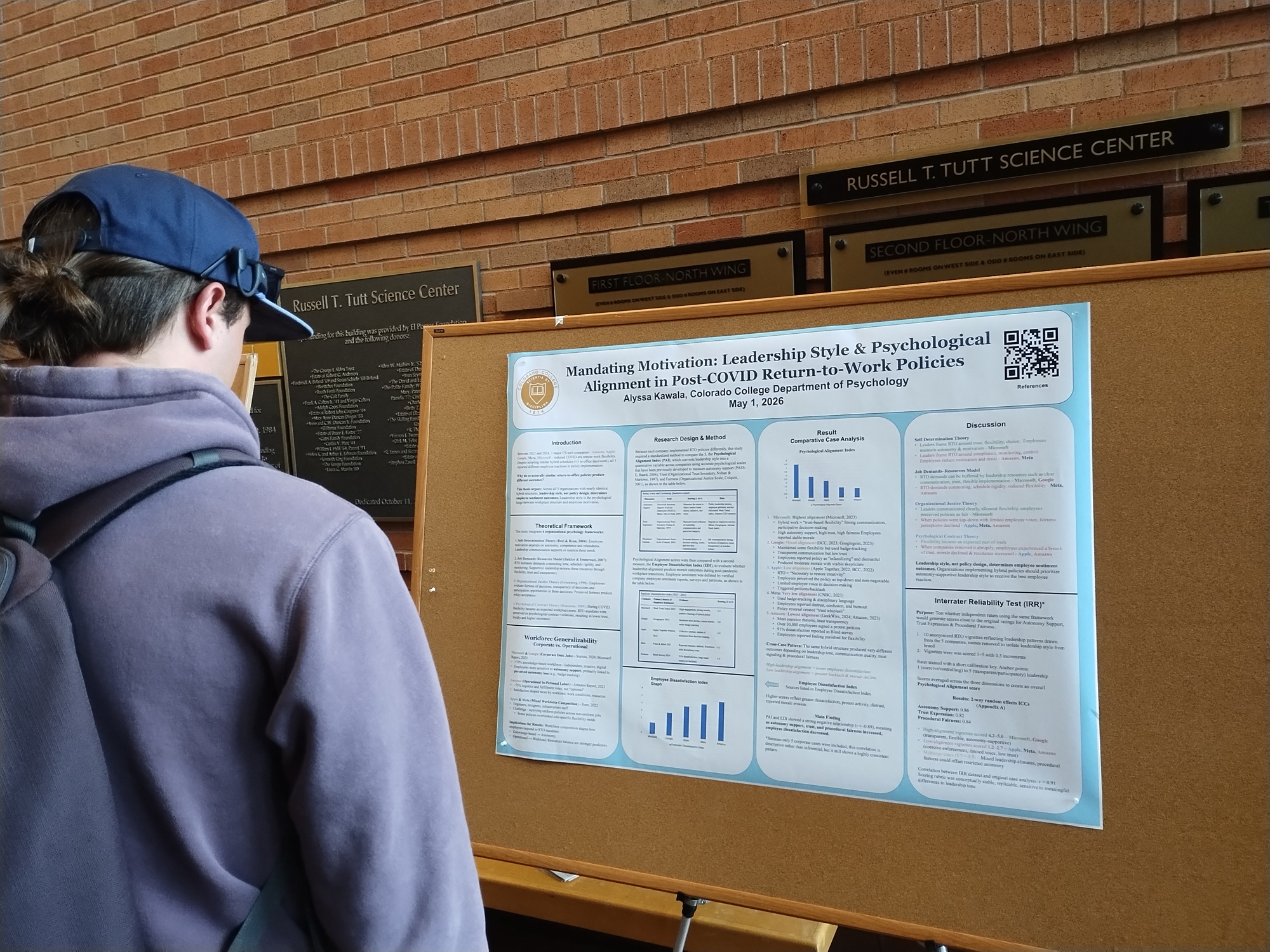
Psychology
Advisor: John Horner
Mandating Motivation: Leadership Style & Psychological Alignment in Post-COVID Return-to-Work Policies
This thesis examines why similar return-to-office (RTO) policies produced different employee outcomes across five major U.S. technology companies: Microsoft, Google, Apple, Meta, and Amazon. Drawing on Self-Determination Theory, the Job Demands-Resources model, Organizational Justice Theory, and Psychological Contract Theory, the project argues that leadership style best predicts employee morale under post-COVID hybrid work conditions, not policy structure alone. To compare companies, I developed a Psychological Alignment Index measuring autonomy support, trust expression and procedural fairness, and paired it with an Employee Dissatisfaction Index based on surveys, petitions and reported employee sentiment. The findings show a strong negative relationship between leadership alignment and employee dissatisfaction: companies with more transparent, trust-based, autonomy-supportive leadership reported better morale, while firms relying on surveillance enforcement faced more backlash. This thesis demonstrates that the success of RTO policies depends less on how many days employees are required in the office and more on how leaders communicate, justify and implement those expectations.
Tori Kendeigh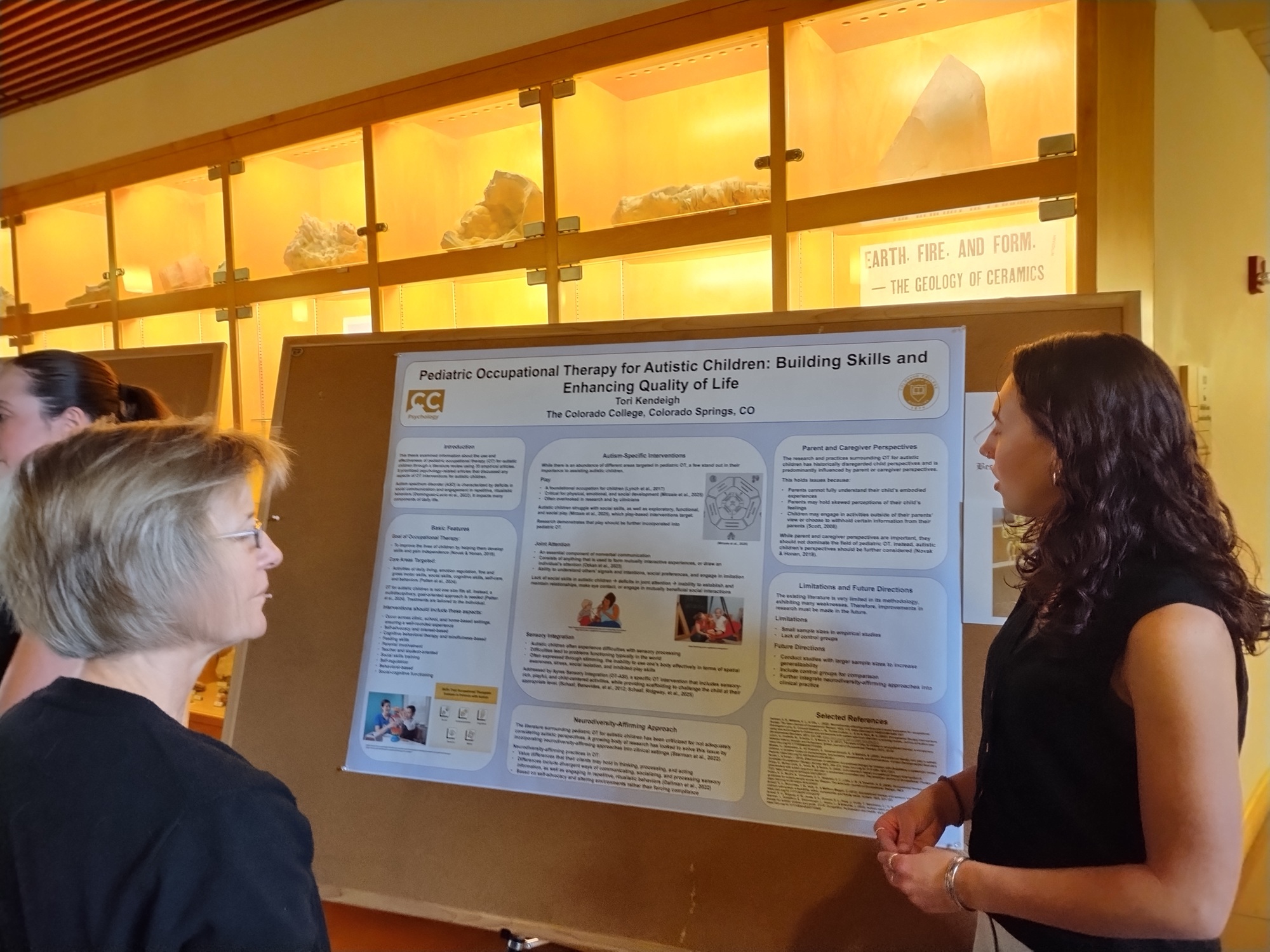
Psychology
Advisor: Tricia Waters
Pediatric Occupational Therapy for Autistic Children: Building Skills and Enhancing Quality of Life
Occupational therapy (OT) has been identified as a common intervention for children with autism spectrum disorder (ASD). ASD is characterized by social impairments, repetitive behaviors, and deficits in sensory processing. Due to OT’s objective of improving lives by helping individuals develop skills and gain independence, its practice has been widely utilized for autistic children. This review will examine the research literature that has illustrated features of pediatric OT for autistic children and its impacts on their development and daily functioning. The literature demonstrates core areas of OT that help autistic children gain needed daily living skills through various interventions that target emotion regulation, motor, cognitive, social skills, activities of daily living (ADLs), and self-care. A focus will be placed on play and sensory integration due to their specific importance to autistic children. These areas are especially unique amongst this population because impairments in their presentation often affect autistic children’s ability to operate in the world. Emphasis will also be situated on autistic perspectives and the neurodiversity-affirming movement, which advocate for centering autistic individuals in OT practice, ensuring that they are heard, included, and supported. Ultimately, the existing literature remains limited, therefore a future directions section will highlight the need for larger sample sizes, the inclusion of control groups, and the promotion of neurodiversity-affirming ideas and overall inclusivity into clinical OT practice and broader societal contexts.
Madeline Kogut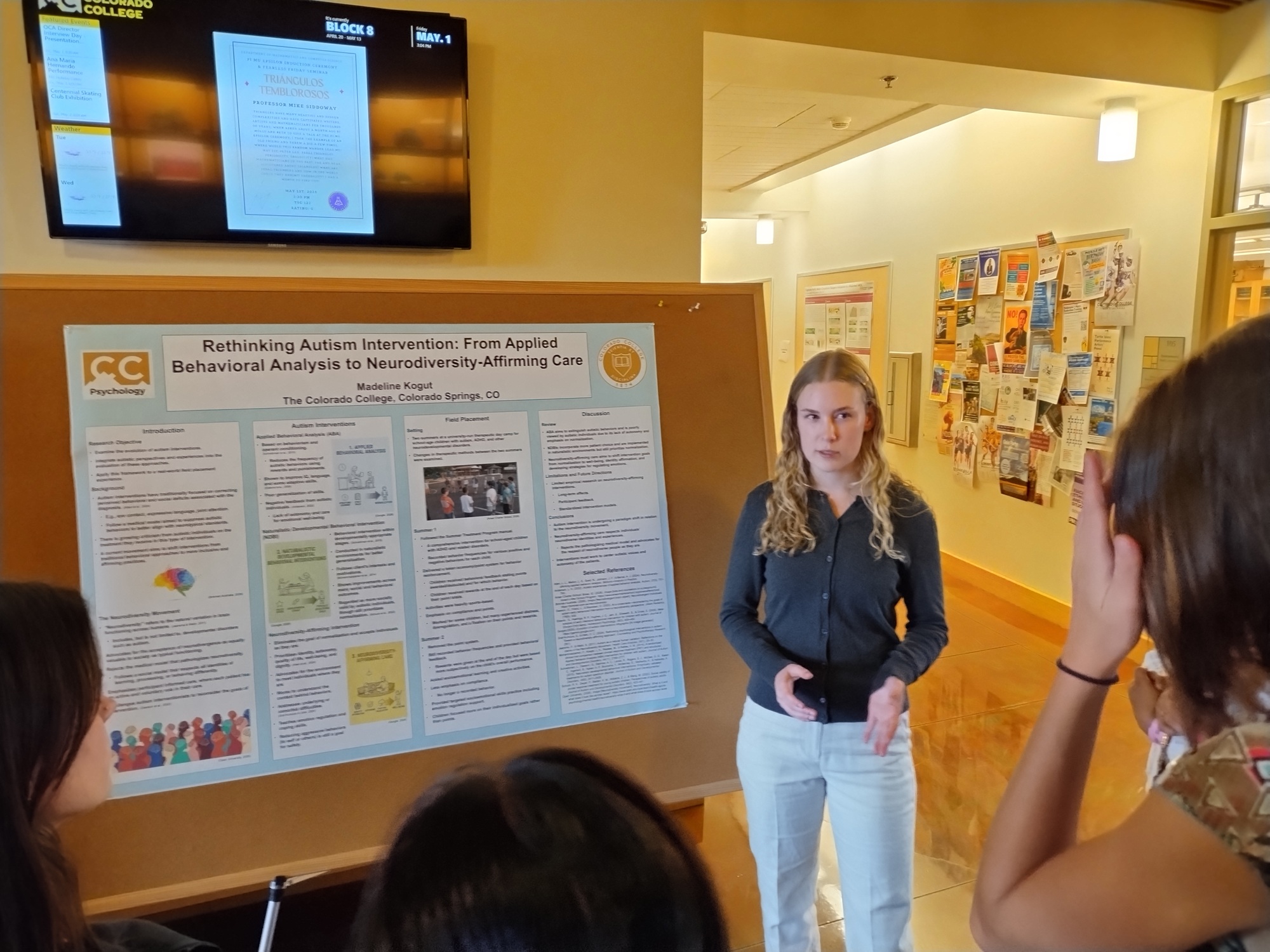
Psychology
Advisor: Tricia Waters
Rethinking Autism Intervention: From Applied Behavioral Analysis to Neurodiversity-Affirming Care
This project examines the evolution of autism intervention in connection to my field placement at a summer camp for children with autism. It begins with a history of autism treatment while centering autistic individuals’ experiences with these interventions. Early approaches, including Applied Behavioral Analysis, aimed to reduce autistic traits and promote behavioral normalization. Although these interventions demonstrated improvements in certain behavioral and adaptive outcomes, autistic individuals criticize their emphasis on normalization at the expense of autonomy and well-being. The paper then discusses Naturalistic Developmental Behavioral Interventions, which integrate developmental principles, natural contexts, and child motivation. Finally, the paper examines the emergence of neurodiversity-affirming care, which prioritizes autonomy, identity affirmation, and emotion regulation. These frameworks are connected to my field experience across two summers at a university-run behavioral intervention camp, where program changes reflected a shift from a strict behavioral system to more inclusive practices. Together, the literature and field experience suggest a shift toward neurodiversity-affirming autism intervention involves moving beyond normalization-based goals to prioritize well-being and the inclusion of autistic voices in treatment design, although further systematic study of these approaches is needed.
Paolo LoGerfo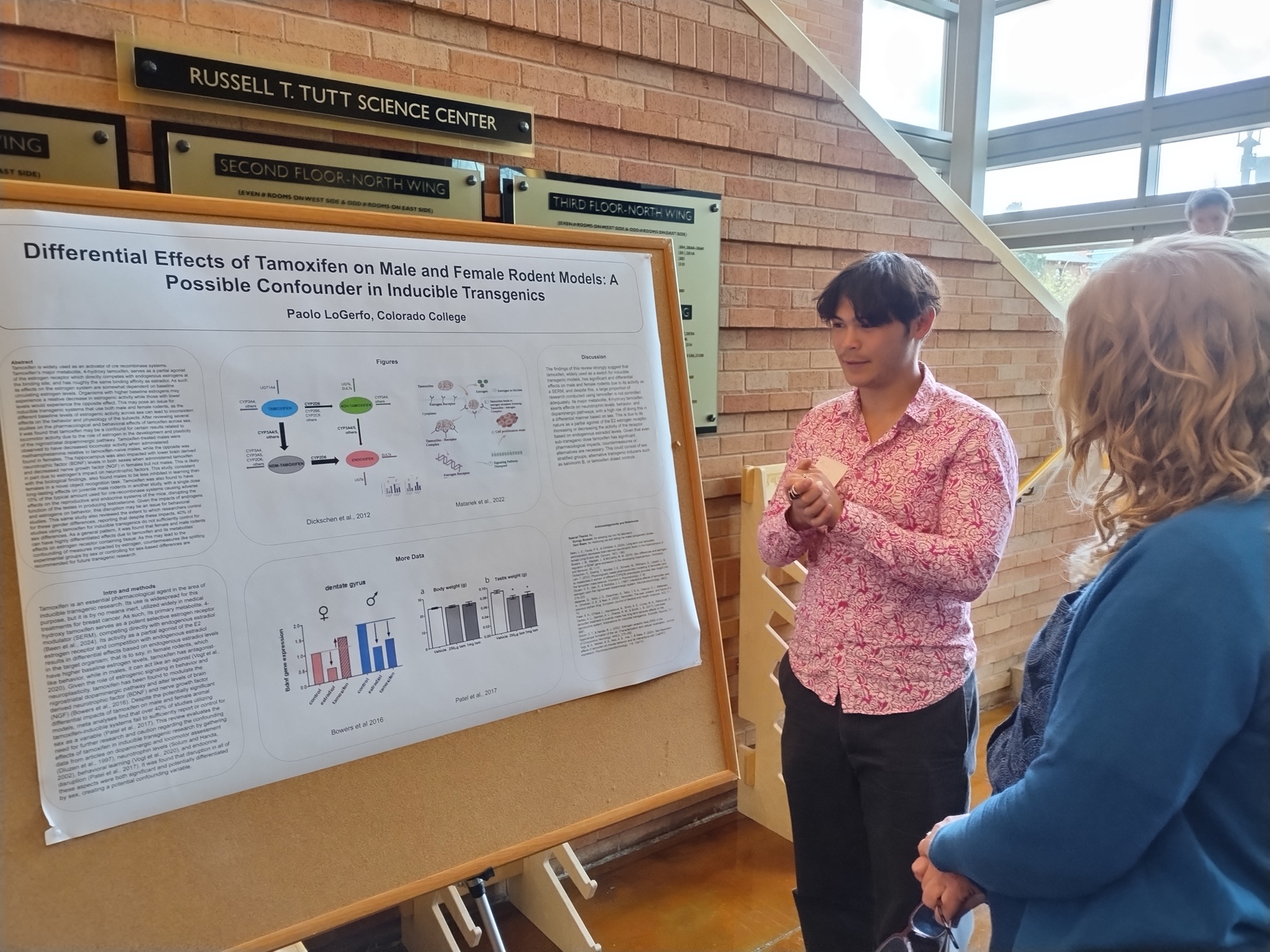
Neuroscience
Advisors: Margaret Daugherty, Colorado College
Danielle Beam, New York University
Differential Effects of Tamoxifen on Male and Female Rodent Models: A Possible Confounder in Inducible Transgenics
Tamoxifen is widely used as an activator of cre recombinase systems. Tamoxifen’s major metabolite, 4-hydroxy tamoxifen, serves as a partial agonist of the estrogen receptor which directly competes with endogenous estrogens at the binding site, and has roughly the same binding affinity as estradiol. As such, its effects on the estrogen system are somewhat dependent on baseline circulating estrogen levels. Organisms with higher baseline estrogens may experience a relative decrease in estrogenic activity while those with lower levels would experience the opposite effect. This may pose an issue for inducible transgenic systems that use both male and female rodents, as the different baseline levels of estrogenic activity across sex can lead to inconsistent effects on the behavior and physiology of the subjects. After reviewing several studies on the pharmacological and behavioral effects of tamoxifen across sex, it was found that tamoxifen may be a confound for certain results related to locomotor activity due to the role of estrogen in the development and plasticity of the nigrostriatal dopaminergic pathway. Tamoxifen-treated males were observed to have decreased locomotor activity when administered methamphetamine relative to tamoxifen-naive males, while the opposite was found in females. The hippocampus was also impacted with lower brain derived neurotrophic factor (BDNF) levels in both sexes when administered tamoxifen and decreased nerve growth factor (NGF) in females but not males. This is likely in part due to estrogen’s impact on neurotrophic factors. This study, consistent with the biological findings, also found males to be less inhibited in learning than females in a novel object recognition task. Tamoxifen was also found to have long-lasting effects on juvenile male rodents in another study, with a single dose 10% of the typical amount used for cre-recombinase systems causing adverse effects on the reproductive and endocrine systems of the mice, disrupting the function of the testes in producing testosterone. Given the impacts of androgens and estrogens on behavior, this disruption may be an issue for behavioral studies. This same study also reviewed the extent to which researchers control for these gender differences, reporting that despite these impacts, 40% of studies using tamoxifen for inducible transgenics do not sufficiently control for sex differences. As a general pattern, it was found that female and male rodents can have highly differentiated effects due to tamoxifen and its metabolites’ effects on estrogen receptor containing tissue. As this may lead to the confounding of measures impacted by estrogen, countermeasures like splitting experimental groups by sex or controlling for sex-based differences are recommended for future transgenic research.
Caroline Malott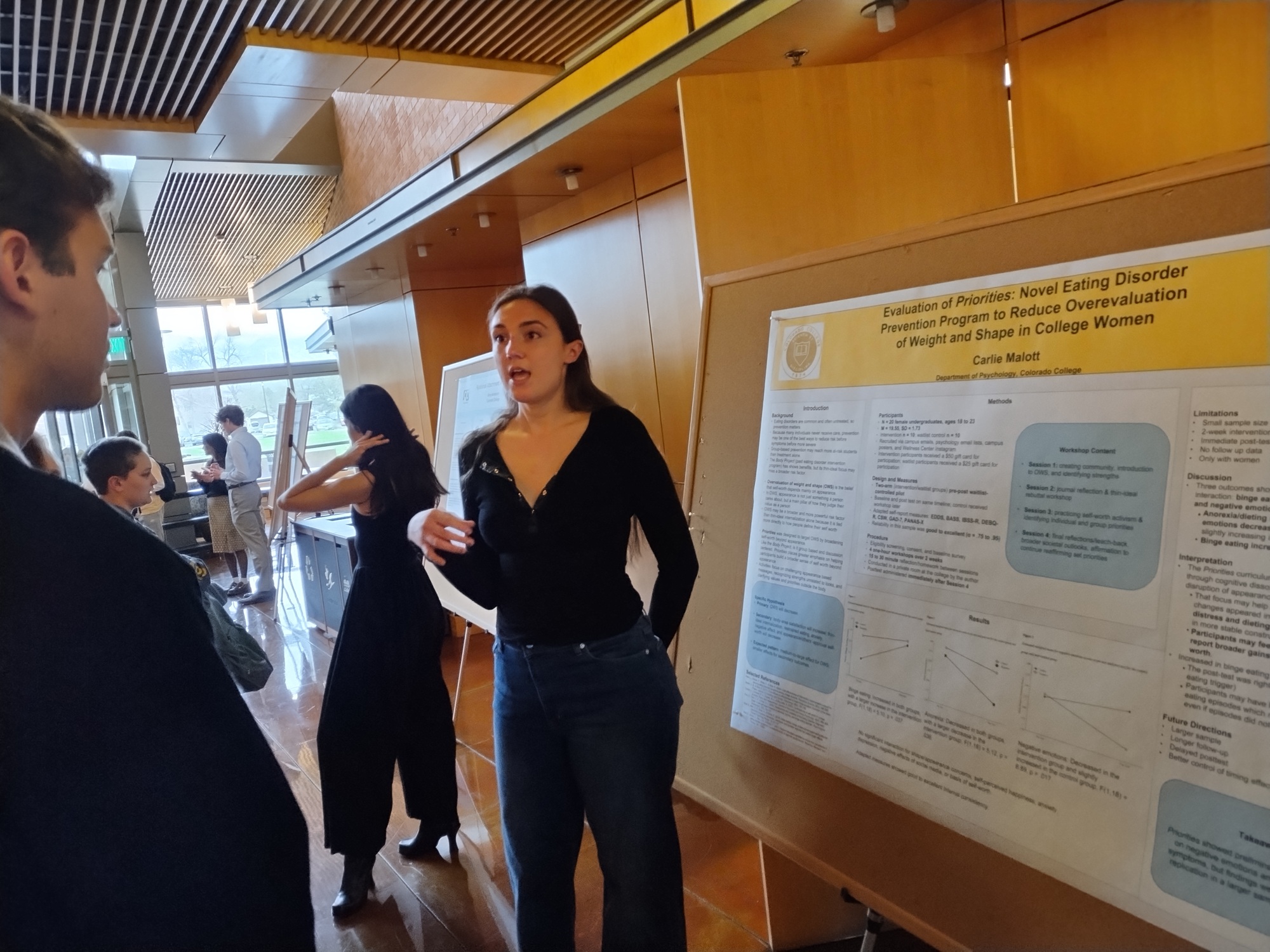
Psychology
Advisor: John Horner
In collaboration with Stanford University
Evaluation of Priorities: A Novel Eating Disorder Prevention Program to Reduce the Overevaluation of Weight and Shape in College Women
Eating disorders are common and often go untreated, so there is value in prevention programs that can reach people before symptoms become severe. This pilot study evaluated Priorities, a workshop designed to reduce overvaluation of weight and shape by helping participants build a broader sense of self-worth beyond appearance. Twenty undergraduates (ages 18-23) at a liberal arts college completed a pre-post waitlist-controlled design (intervention n = 10; control n = 10). The intervention consisted of four one-hour sessions over two weeks plus reflection homework after each session. Participants completed self-report measures at baseline and after the final session, with the waitlist group assessed on the same timeline. Across measures, internal consistency was good to excellent. Mixed ANOVAs showed significant time x group interactions for three outcomes. Anorexia/dieting symptoms decreased in both groups, with a larger decrease in the intervention group. Negative emotions decreased in the intervention group but increased in the control group. Binge-eating scores increased in both groups, with a larger increase in the intervention group. No significant time x group interactions were found for shape/appearance concerns, self-perceived happiness, anxiety, depression, negative effects of social media, or basis of self-worth. Overall, the results show short-term shifts, but not always in the expected direction, underscoring the need for larger samples and follow-up assessments.
Ruben Margolis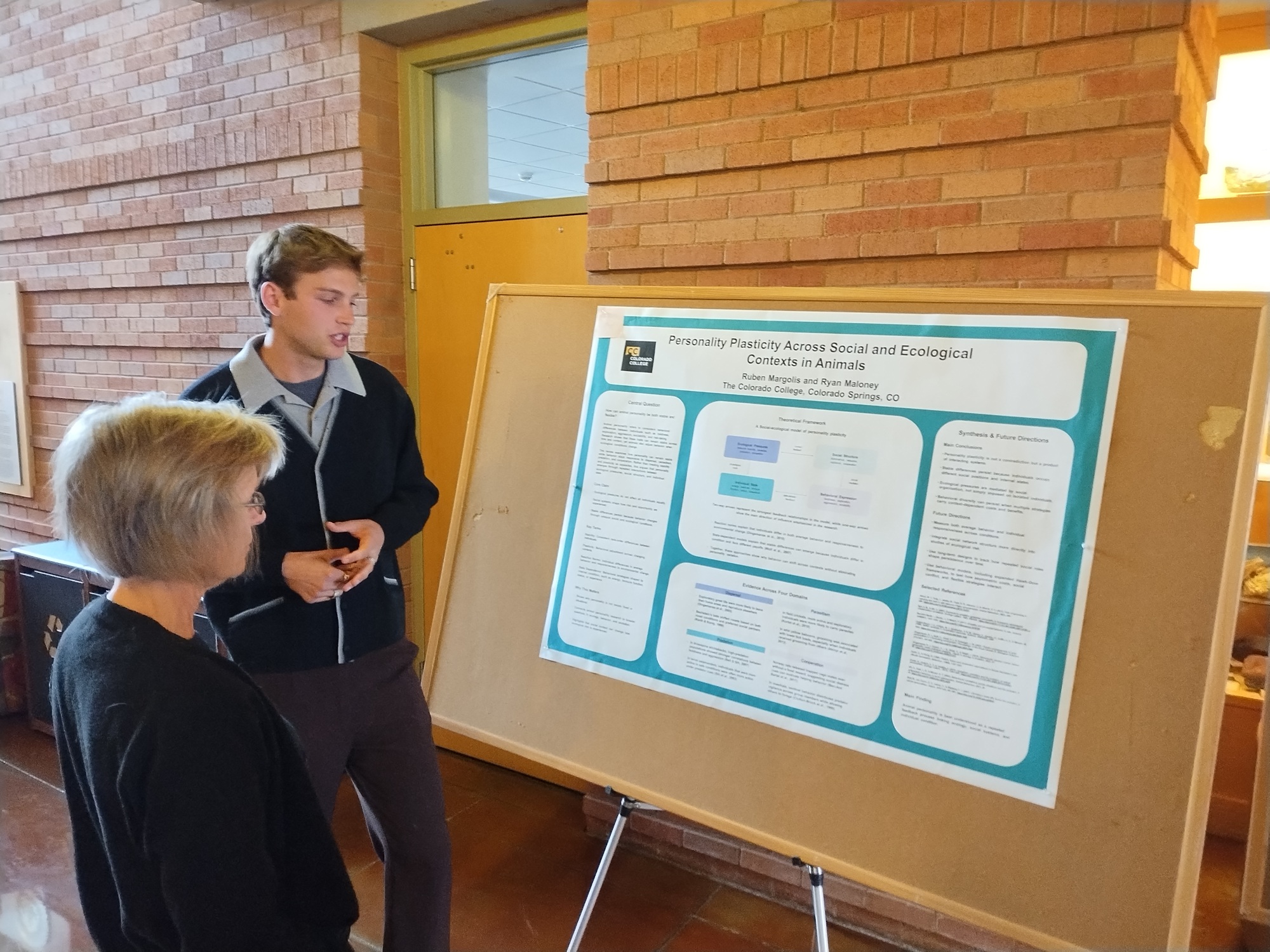
Psychology
Advisor: Ryan Maloney
Personality Plasticity Across Social and Ecological Contexts in Animals
Animal personality can remain stable even as behavior changes across shifting ecological and social conditions. Across a wide range of species, individuals often differ consistently in traits such as boldness, aggression, exploration, and sociability, although they must also adjust their behavior in response to changing pressures like resource scarcity, predation risk, parasitism, and social competition. This thesis therefore argues that personality plasticity emerges through the interaction between ecological pressures, social structure, and individual state, rather than treating stability and plasticity as opposing explanations. Research on dispersal, parasitism, predation, and cooperation provide evidence that environmental challenges are rarely experienced in isolation and are often filtered through dominance hierarchies, social networks, group vigilance, and divisions of labor. These systems demonstrate that individuals can respond flexibly to changing conditions while still maintaining consistent differences from one another. By applying reaction norm and state-dependent perspectives, the thesis proposes that personality is best understood not as fixed or purely situational, but as a dynamic process shaped by repeated feedback between individuals and the ecological and social systems they navigate.
Ella Matteucci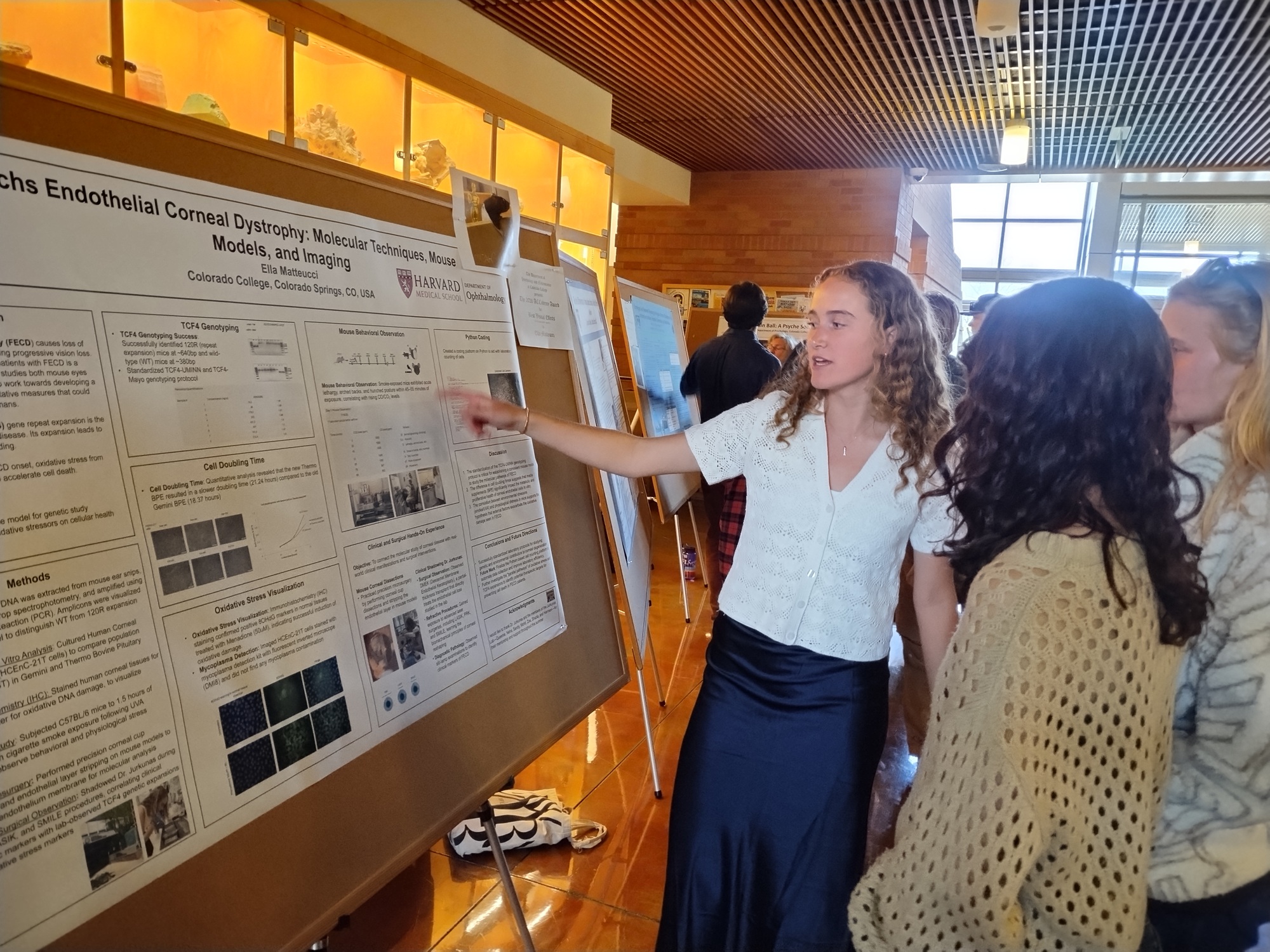
Neuroscience
Advisor: Lori Driscoll
Fuchs Endothelial Corneal Dystrophy: Molecular Techniques, Mouse Models, and Imaging
Fuchs Endothelial Corneal Dystrophy (FECD) is a progressive degenerative disease characterized by the loss of corneal endothelial cells, leading to corneal edema and vision impairment. This project explores the molecular pathogenesis and experimental modeling of FECD. There is a focus on the interplay between genetic predisposition and environmental factors such as oxidative stress. The methodology highlights the standardization of a TCF4 mouse model through precision microsurgical techniques including corneal cup dissections and the isolation of the endothelium layer. Additionally, the research utilizes in vitro models of corneal endothelial cells exposed to cigarette smoke to simulate oxidative damage. By integrating laboratory findings with observations from clinical shadowing, this work aims to better characterize the progression from cellular oxidative stress to the clinical manifestation of FECD. These findings emphasize the utility of automated imaging and standardized mouse models in advancing the understanding and future treatment of FECD.
Lindsay Popeo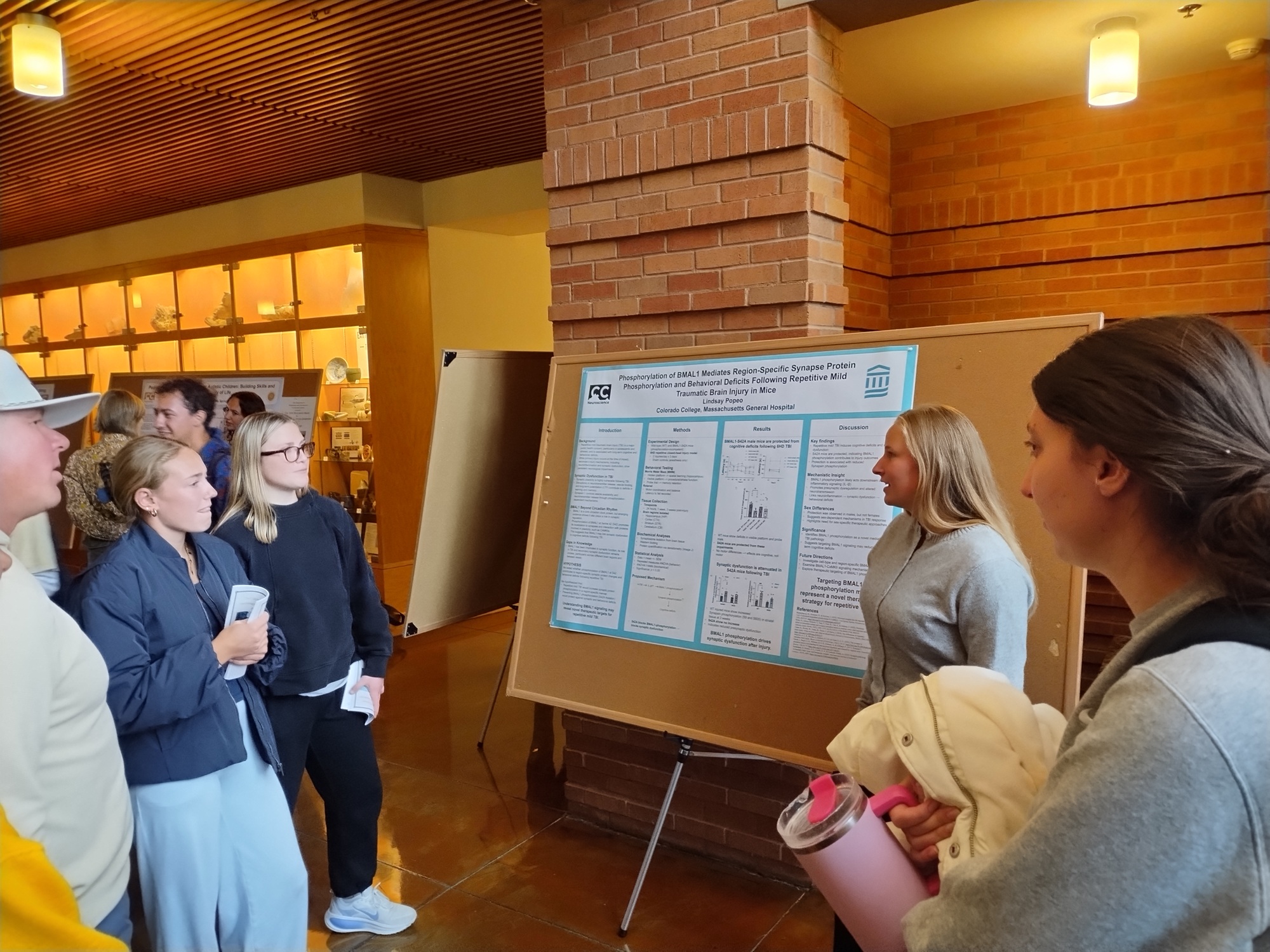
Neuroscience
Advisor: Lori Driscoll
Phosphorylation of BMAL1 Mediates Region-Specific Synapse Protein Phosphorylation and Behavioral Deficits Following Repetitive Mild Traumatic Brain Injury in Mice
Repetitive traumatic brain injuries (TBIs), especially in adolescence, are associated with long-term neurological consequences such as injury-related dementia and neurodegenerative diseases. Despite the growing prevalence of repetitive TBIs, particularly sports-related concussions, the biological mechanisms underlying secondary injury and long-term neurological dysfunction remain poorly understood. Recent evidence from our laboratory suggests that interleukin-1β (IL-1β), a cytokine responsible for inflammation, promotes phosphorylation of the circadian protein BMAL1 at Serine 42 (pBMAL1), potentially linking neuroinflammation to synaptic dysfunction following injury. In this study, we investigated the role of BMAL1 phosphorylation in behavioral outcomes following repetitive closed-head injury in a phosphorylation-incompetent mouse (BMAL1-S42A). Behavior performance was assessed using the Morris Water Maze (MWM) and Rotarod following a 6HD rCHI paradigm. Following behavioral testing, biochemical analyses were performed via Western blotting to examine pBMAL1 and presynaptic signaling proteins across multiple brain regions. Injured wild-type (WT) mice exhibited deficits in spatial learning and memory, and BMAL1-S42A mice were protected from these deficits. At the molecular level, Synapsin I (S605 and S9) was detected and elevated in injured WT mice at 3 weeks following injury, but not in injured S42A mice. We also found an increase in pBMAL1 levels 24 hours after injury, but did not detect widespread changes at later time points. Together, this study elucidates a possible mechanistic link between pBMAL1 and synaptic dysfunction leading to cognitive deficits following repetitive closed-head injury, and also touches on sex differences in TBI recovery.
Deliannys Reyes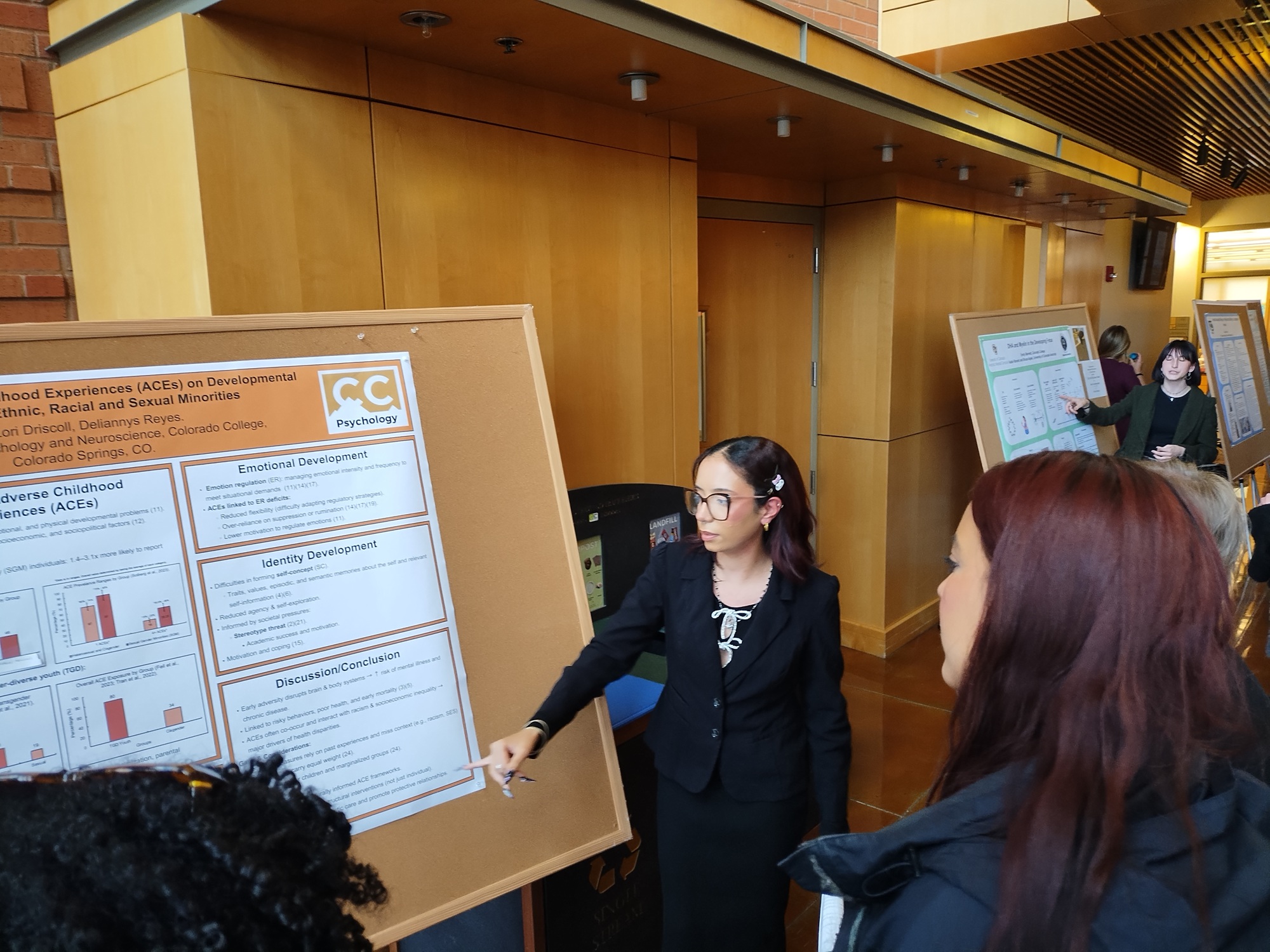
Psychology
Advisor: Lori Driscoll
The Effect of Adverse Childhood Experiences (ACEs) On Developmental Outcomes in Ethnic, Racial and Sexual Minorites
Adverse Childhood Experiences (ACEs), such as childhood traumatic events, abuse, and neglect, are associated with a substantially increased risk for mental health conditions such as depression and suicide, physical and psychosomatic health problems and early death (Biedermann, 2021; Feil et al., 2023; Jensen et al., 2024). ACEs alter not only immediate well-being but also long-term developmental trajectories, especially for individuals from disenfranchised groups. To create a cumulative and inclusive ACEs framework, further research should acknowledge the role of pervasive and systematic oppression that afflicts certain racialized groups and that leads to negative health outcomes and exposure to other ACEs. This literature review also highlights clinical implications for the use of integrated and integrative models of care to aid in improving our understanding of the effect of ACEs on health and developmental outcomes (Murphy et al., 2016; Ranjbar & Erb, 2019), and for creating a more inclusive approach to therapy and health care.
Ben Ruddock
Psychology
Advisor: Jason Weaver
A Holistic Proposal to Conflict Resolution: Evaluating Approaches to Conflict at Intrapersonal, Interpersonal, Intragroup, and Intergroup Levels
Ideological conflict, especially that which results in violence, has lasting effects on the environment, individuals, and communities. Resolutions, however, tend to focus on the short-term, observable consequences and the cheapest changes to avoid them. Short-term resolutions are the result of striving for negative peace: the absence of violence. The aim of this thesis is to evaluate methods to resolve conflict from multiple levels, so that conflict does not reappear and positive peace can be achieved - the integration of society. This thesis breaks conflict into four major levels: intrapersonal, interpersonal, intragroup, and intergroup. Among these four levels, various theories are applied to interrogate and break apart conflict into digestible and resolvable pieces. Approaching conflict at multiple levels allows for resolutions to holistically address the varying causes and problems conflict creates. It also creates the possibility for resolutions to conflict at one level to be found in that of another level. Putting levels of conflict in conversation with one another complicates the process of conflict resolution but creates a holistic method for conflict to be resolved, not paused. This approach is ultimately applied to the contemporary abortion conflict in the US to highlight how this multileveled approach can be utilized.
Owen Simpson
Neuroscience
Advisor: Dr. Liz Kuttner, Kutthaus Neuro Inc.
Promoting Inclusive Fitness for Individuals with Neurological Disorders
Around the world, over 3 billion individuals (roughly 43% of the population) are affected by neurological conditions (Steinmetz J, Seeher K, Schiess N et al., 2021). There are many types of conditions that vary widely in their presentations and impacts. Many of these individuals find it difficult to exercise in a gym setting the way a neurologically typical individual may. The purpose of this research was to shadow a Grand-Junction, Colorado, based neurologically adaptive gym program, Kutthaus Neuro, to see how they overcome these challenges. Many clients were interviewed on their experiences and the trainers discussed the different challenges in running a program like this. The clients varied in their abilities and their backgrounds. This program may help inform future development of accessible and inclusive fitness programs for diverse neurological populations.This highlights the importance of individualized exercise adaptations in promoting both physical training and overall quality of life for individuals with neurological conditions. Programs like this are important in maintaining a better standard of living for these clients.
Asha Soni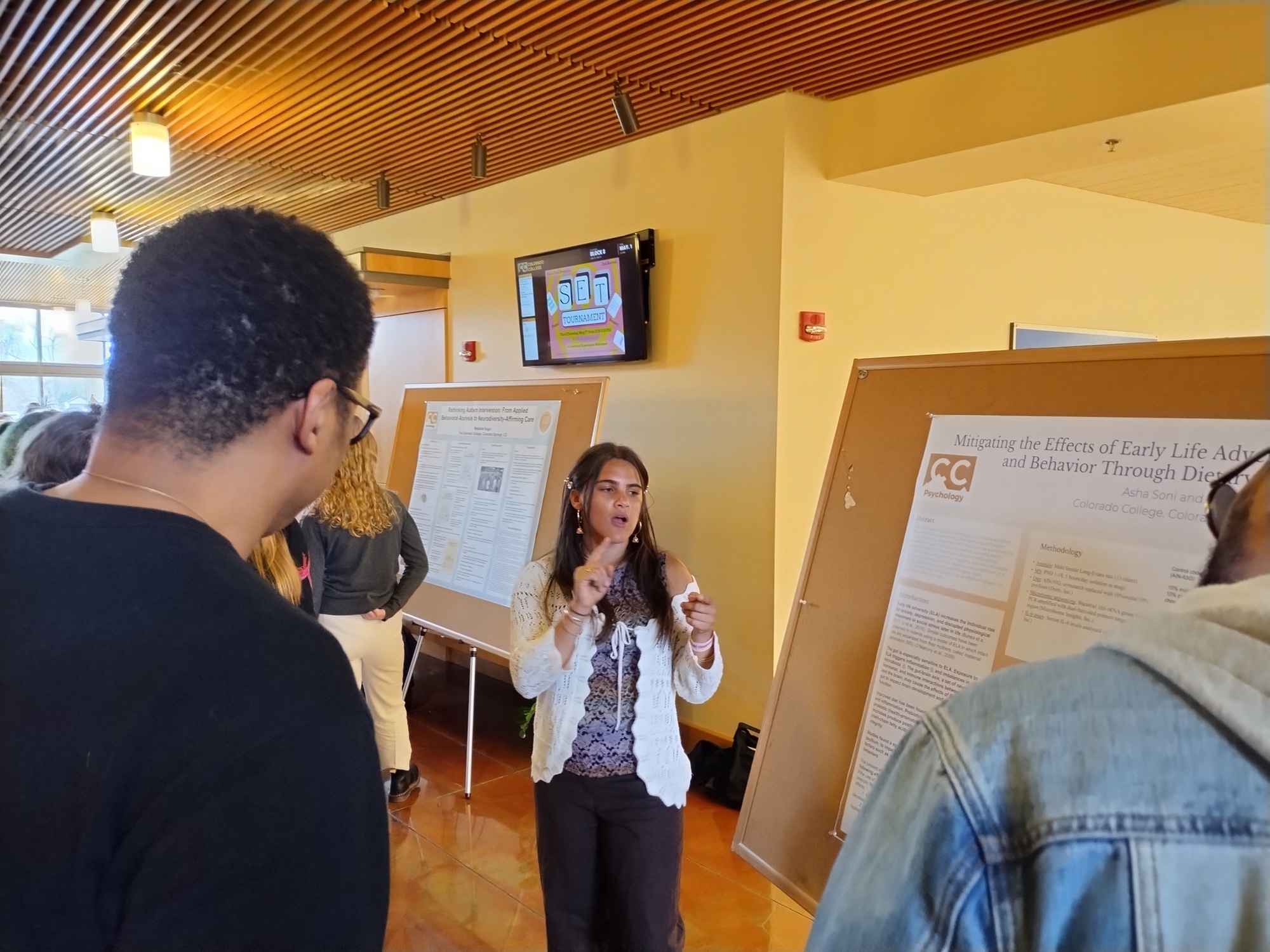
Neuroscience
Advisor: Lori Driscoll
Mitigating the Effects of Early Life Adversity on the Gut Microbiome and Behavior Through Dietary Inulin and Psyllium
Early Life Adversity (ELA) can alter gut microbiota and affect behavior, brain development, and psychological function. Using maternally separated (MS) rats, this study examined the behavioral impacts of ELA and whether postnatal dietary supplementation of inulin/psyllium could reduce these effects. Evidence showed that maternal separation increased depressive behavior without affecting anxious behavior, and dietary supplementation found the same result. Inulin/psyllium was not found to be an effective mitigator of the impacts of ELA on rats.
Fiona Vail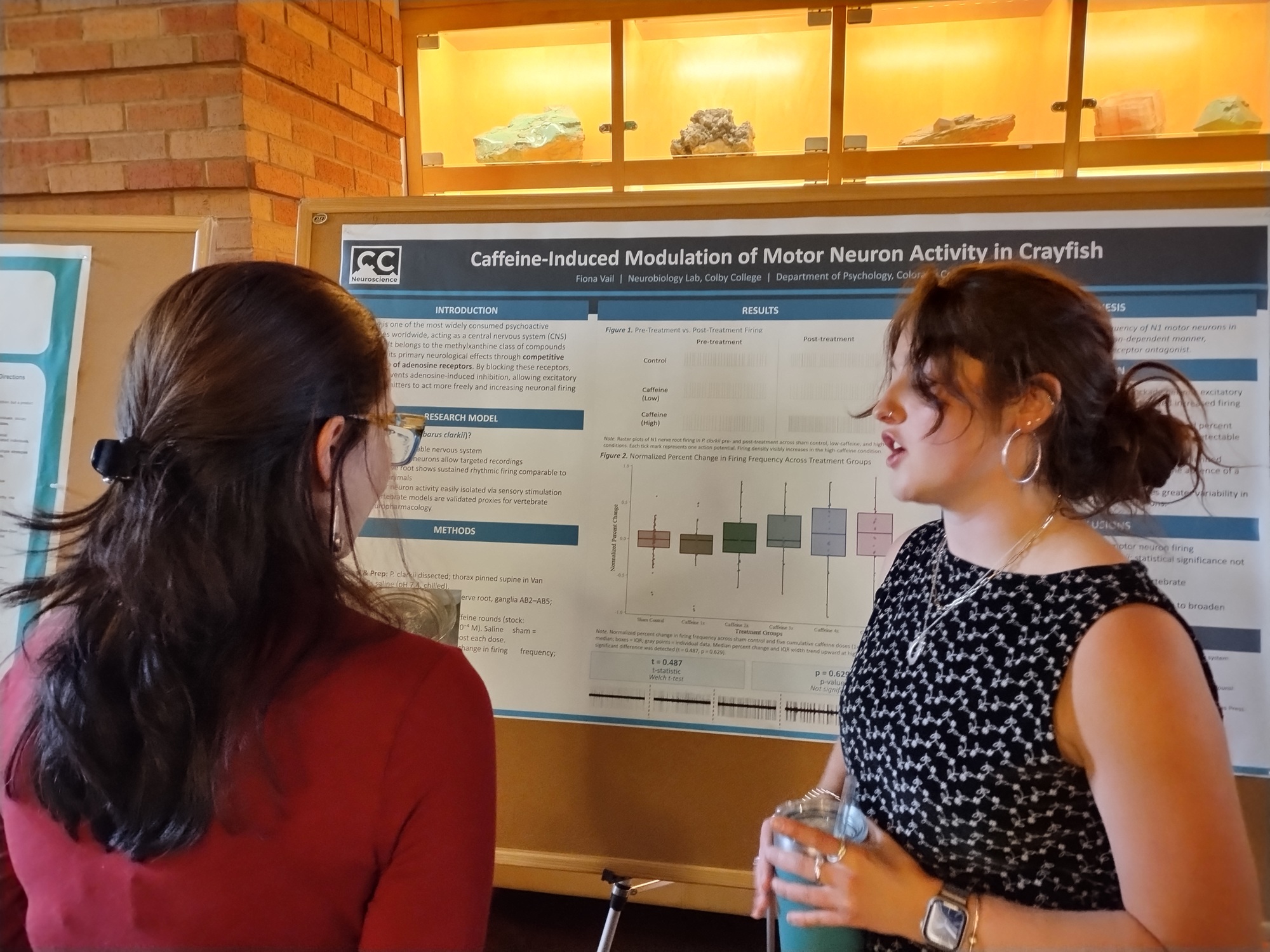
Neuroscience
Advisors: Kristi Erdal, Colorado College
April Chiriboga, Colby College
Caffeine-Induced Modulation of Motor Neuron Activity in Crayfish
Caffeine, a widely consumed central nervous system stimulant, enhances neuronal excitability primarily through competitive antagonism of adenosine receptors. This study examined the effects of caffeine on motor neuron action potential firing frequency using the crayfish (Procambarus clarkii) as a model system. Extracellular recordings were obtained from the N1 nerve root across thoracic ganglia (AB2–AB5) via suction electrodes under controlled saline conditions. A multiple-dose design was employed in which baseline neuronal activity was compared to post-treatment activity following five incremental caffeine applications (stock: 5.0 × 10⁻² M; bath target: 2.0 × 10⁻⁴ M), with a saline sham serving as the control. Changes in firing frequency were quantified as normalized percent change. A t-test revealed no significant difference between sham control and caffeine-treated preparations (t = 0.487, p = 0.629); however, qualitative analysis indicated a trend toward increased firing frequency and greater interquartile variability at higher caffeine concentrations. These results suggest caffeine may potentiate excitatory motor neuron activity in crayfish in a concentration-dependent manner, though the effect was highly variable across preparations. Failure to achieve statistical significance likely reflects limited sample size and inter-individual variability. These findings support the utility of invertebrate preparations as suitable models for investigating the neuropharmacological mechanisms of caffeine relevant to vertebrate systems.
Gus Yar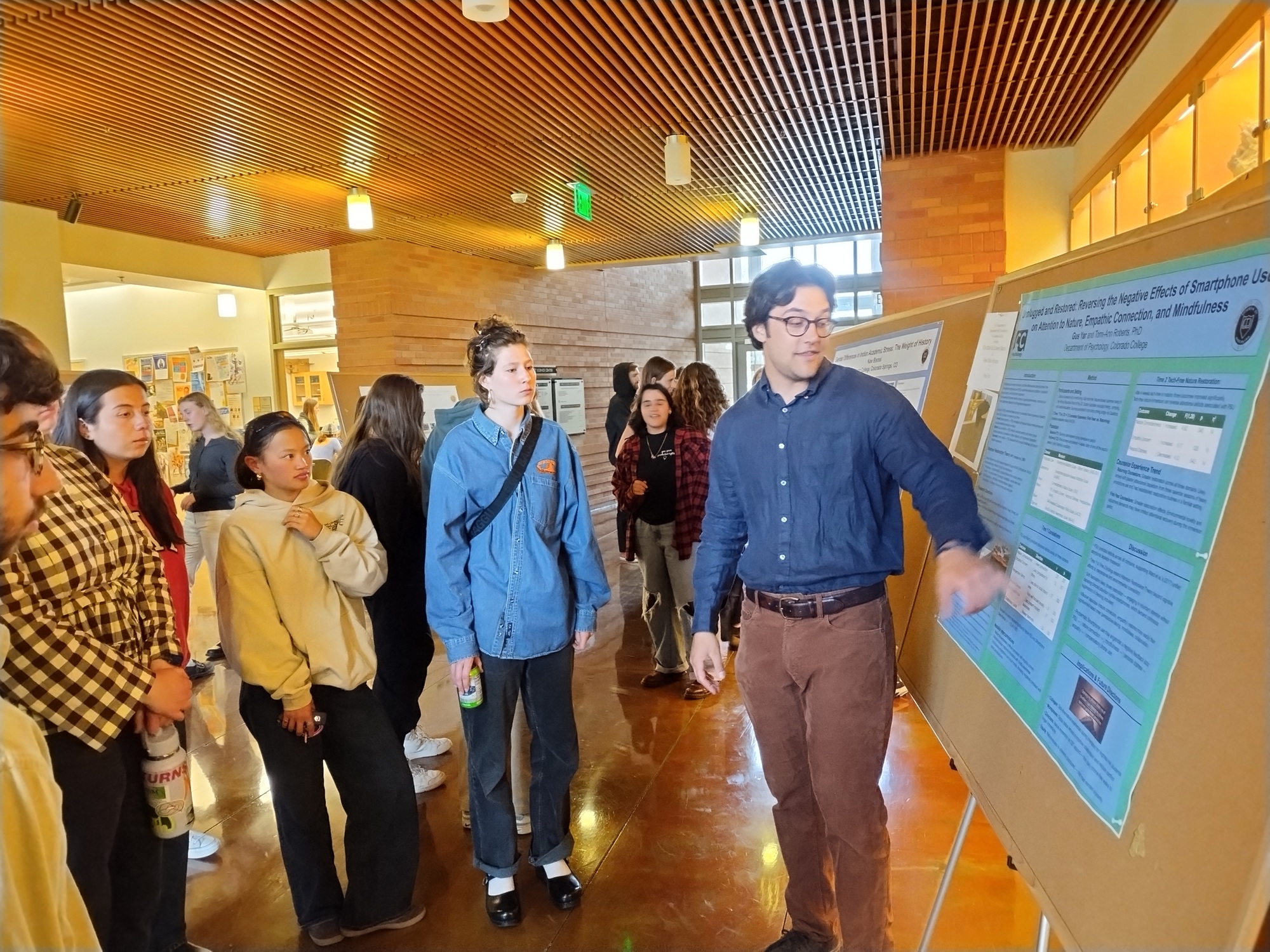
Psychology
Advisor: Tomi-Ann Roberts
Unplugged and Restored: Reversing the Negative Effects of Smartphone Use on Attention to Nature, Empathic Connection, and Mindfulness
Smartphones have become an essential tool in daily life, and, given their pervasiveness, problematic smartphone use (PSU) is increasingly linked to depletion across multiple attentional domains. This study examined whether PSU predicts attentional deficits in nature connection, interpersonal empathy, and mindful awareness, and whether tech-free nature immersion can restore these deficits. At Time 1, 71 young adult camp counselors completed validated self-report measures; PSU significantly predicted reduced nature connectedness, diminished empathic concern, heightened personal distress, lower collaboration skills, and decreased mindfulness. After a four-week break from their smartphones, while immersed in a nature-based summer camp, a subset of 32 counselors showed significant improvements in connectedness to nature, empathic concern, and reduced personal distress. The findings support Ward et al.’s (2017) unified attentional depletion framework, and extend Attention Restoration Theory to smartphone-induced deficits, providing preliminary evidence that prolonged tech-free immersion in nature can reverse the attentional costs associated with problematic smartphone use.
Ella Yolen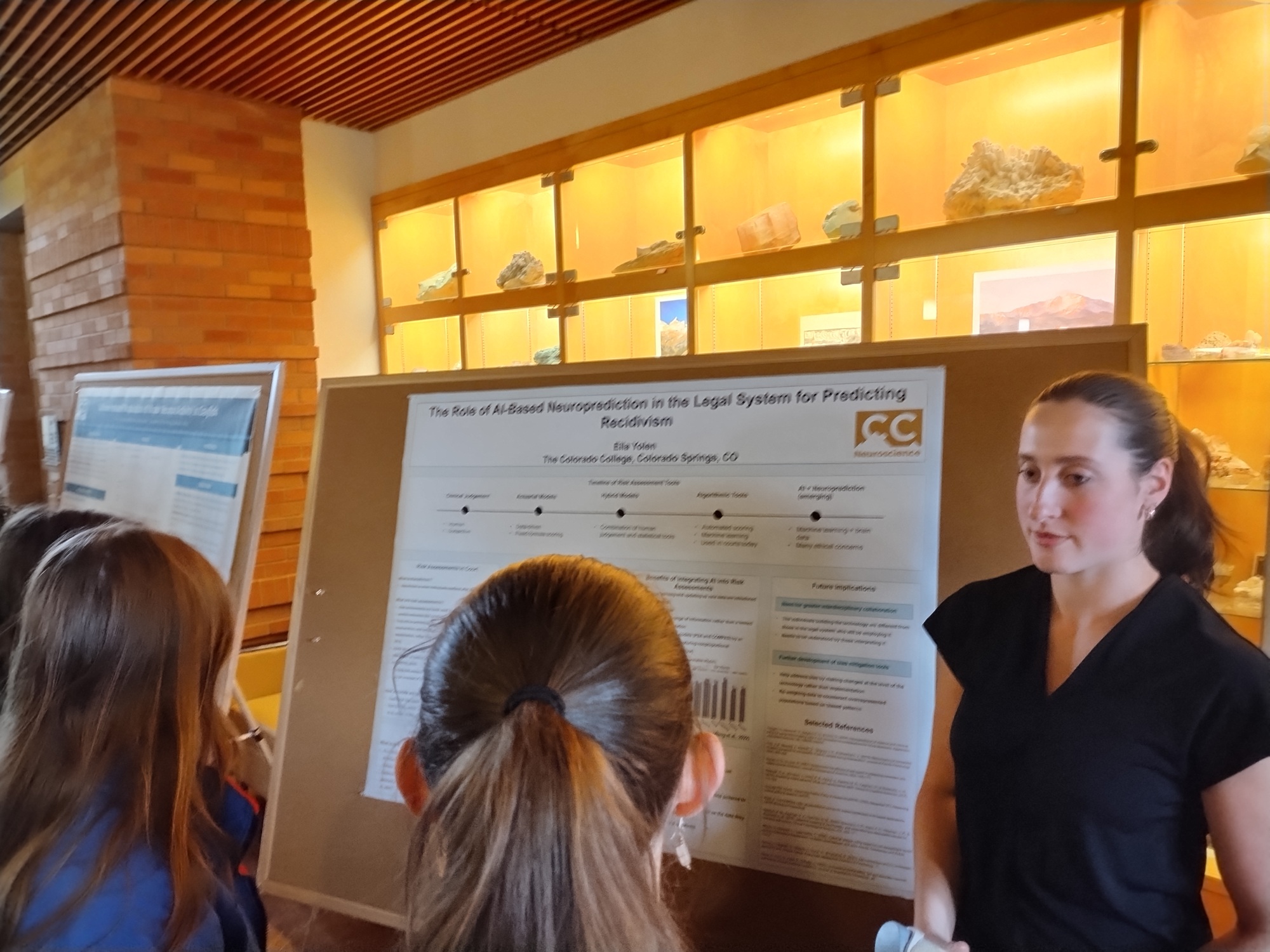
Neuroscience
Advisor: Lori Driscoll
The Role of AI-Based Neuroprediction in the Legal System for Predicting Recidivism
AI-based neuroprediction, which applies machine learning to neurobiological data, has the potential to improve prediction of recidivism. Compared to traditional risk assessments currently implemented in court, AI tools can evolve over time, reduce subjectivity, and use multimodal models to capture complex relationships across a variety of factors. Social and environmental factors, behavioral tasks, self-reports, and neurobiological data have all been associated with recidivism risk, but evidence suggests that using AI models to combine information across those factors will produce the most accurate predictions for guiding decisions in court regarding bail, probation, and sentencing. However, implementing this new technology within risk assessments raises several ethical concerns. These risks include the black-box problem, privacy concerns, the “Group to Individual Problem,” the amplification of existing bias, and the potential for the self-fulfilling prophecy. Dealing with these challenges is necessary for guiding the technology in a direction that will benefit society, but we will need interdisciplinary collaboration between science and law and further research on bias mitigation tools.
show all / hide all